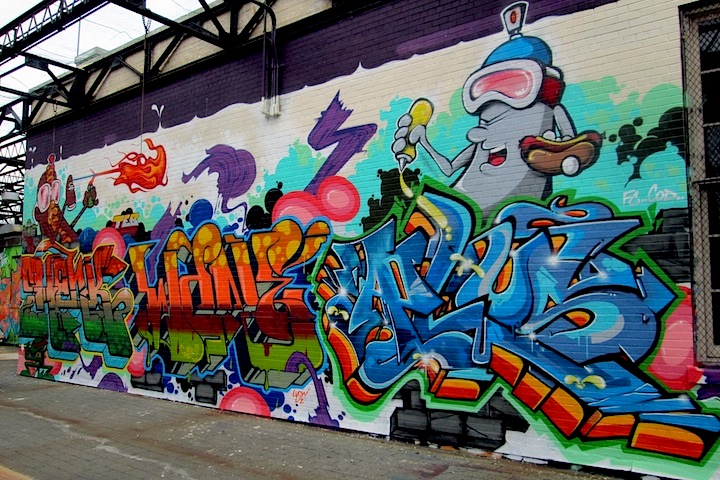
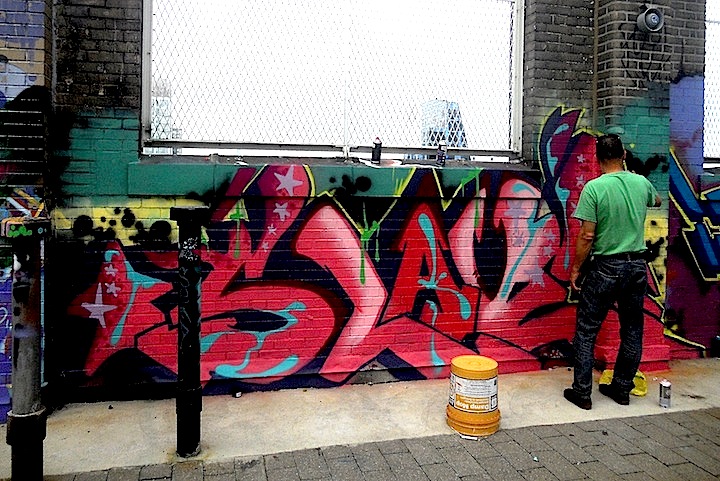
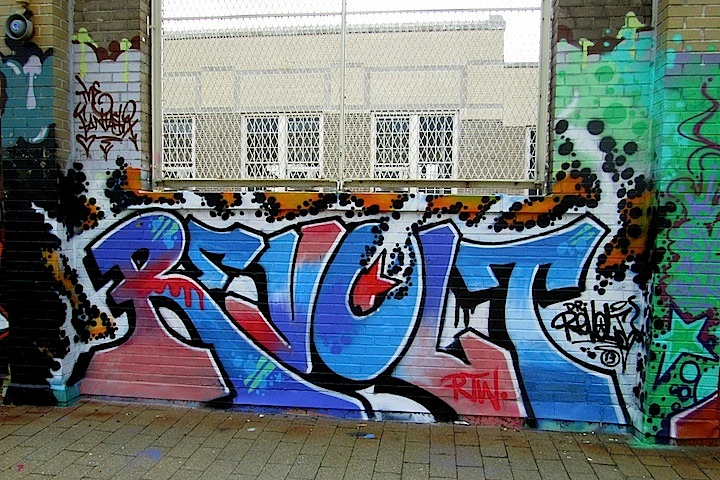
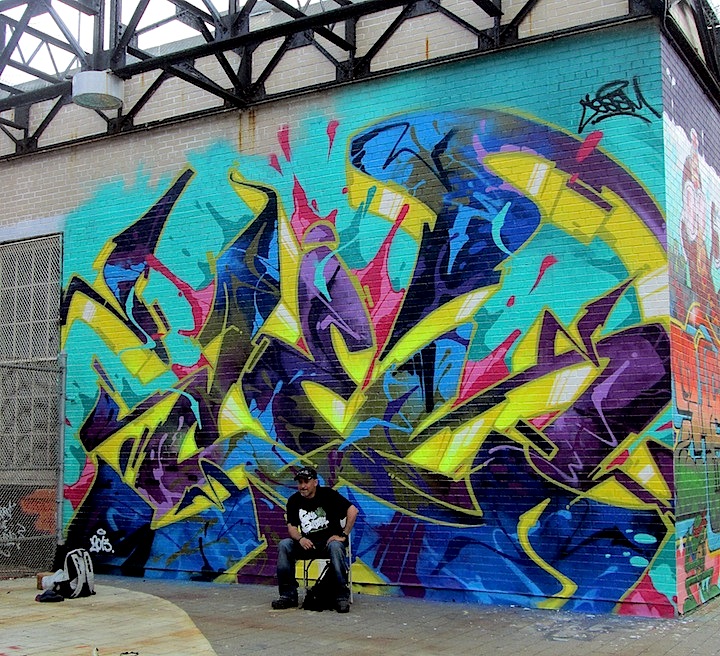
graffiti

UR New York

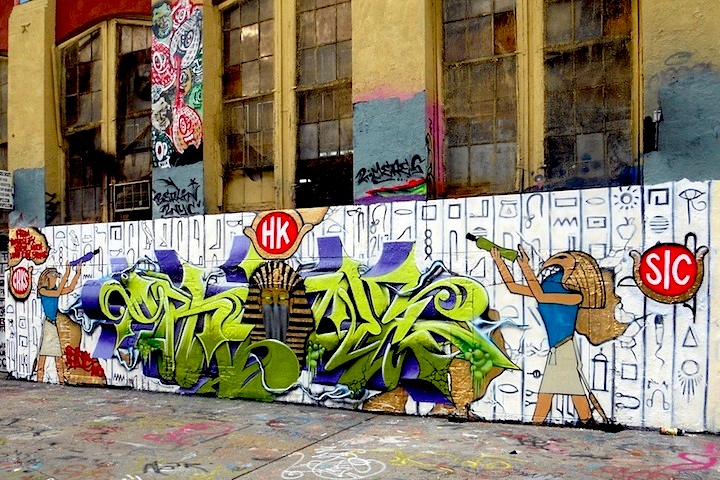
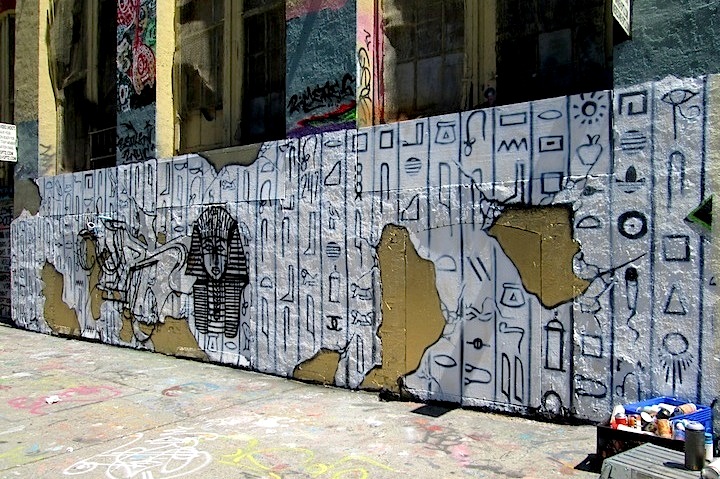
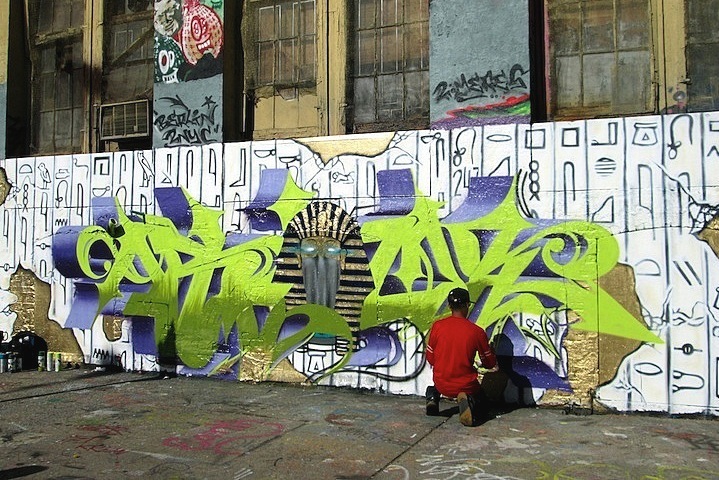
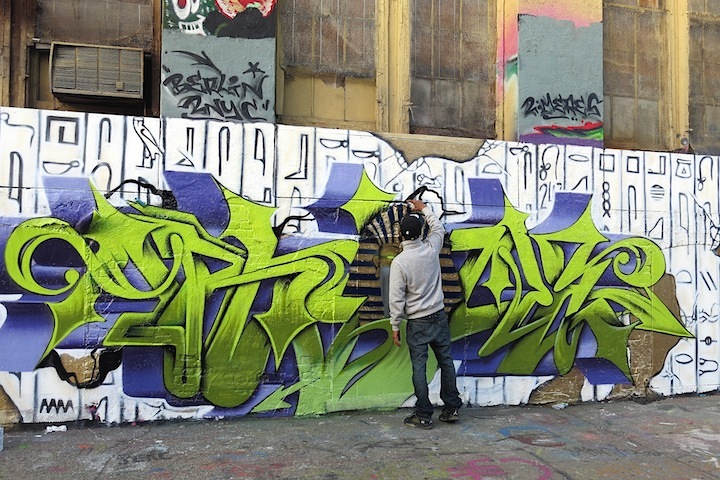
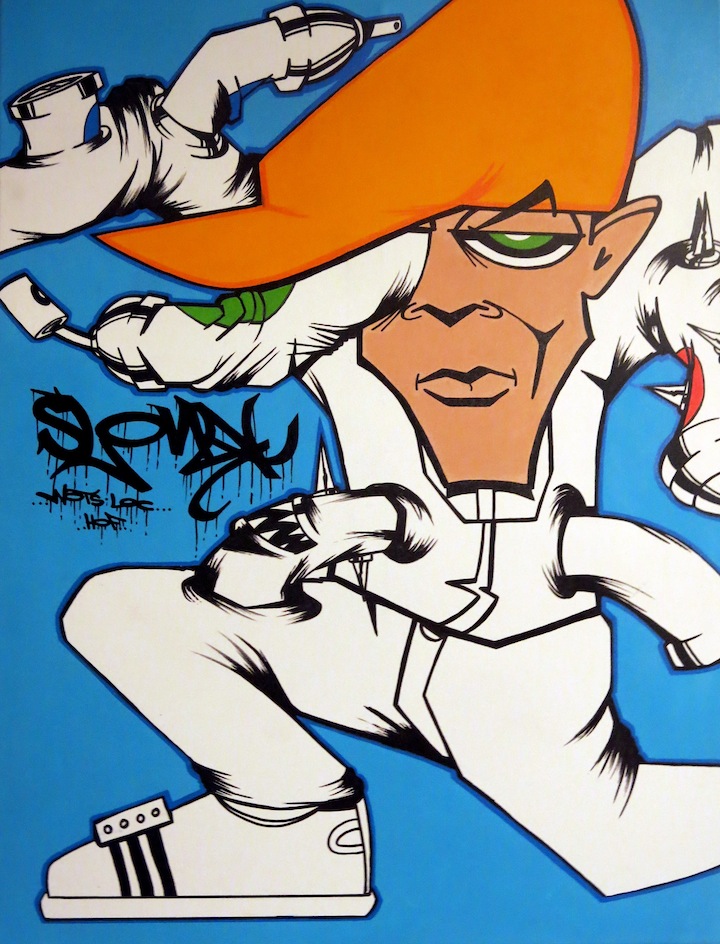
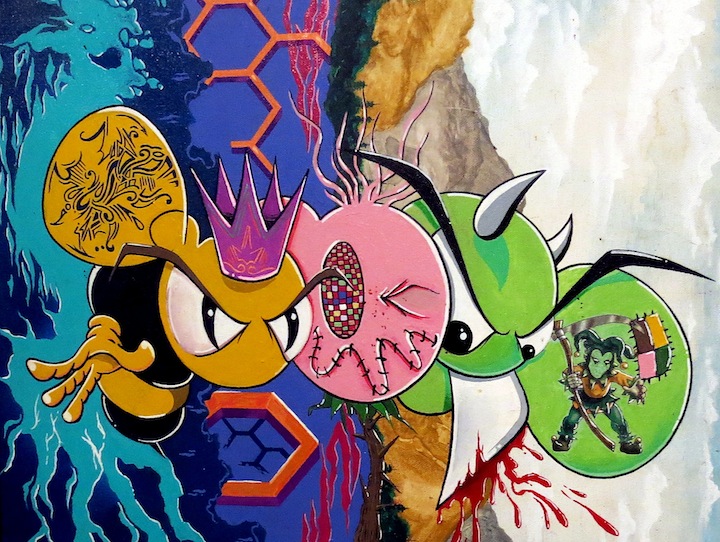
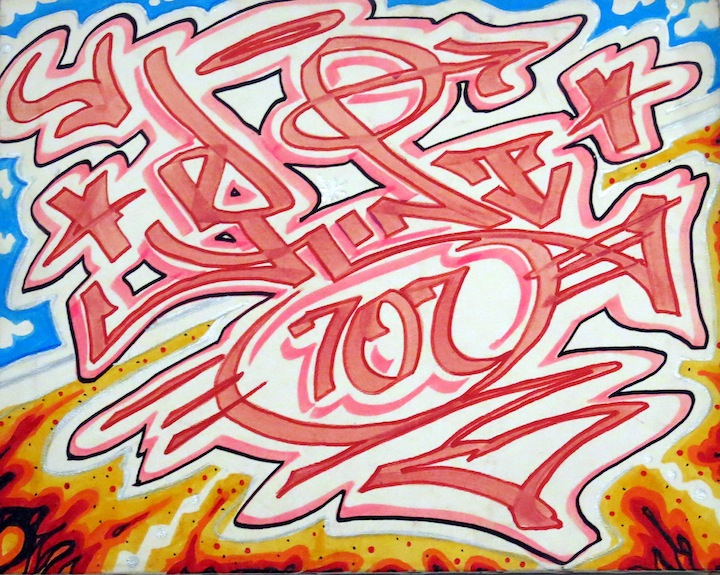
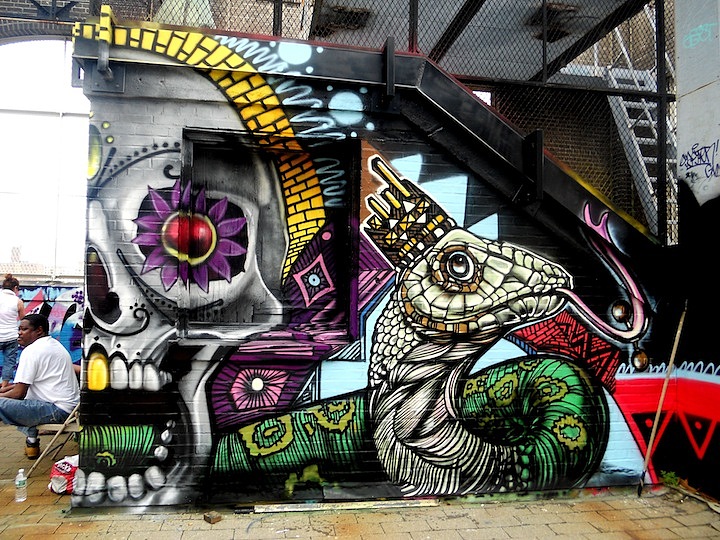
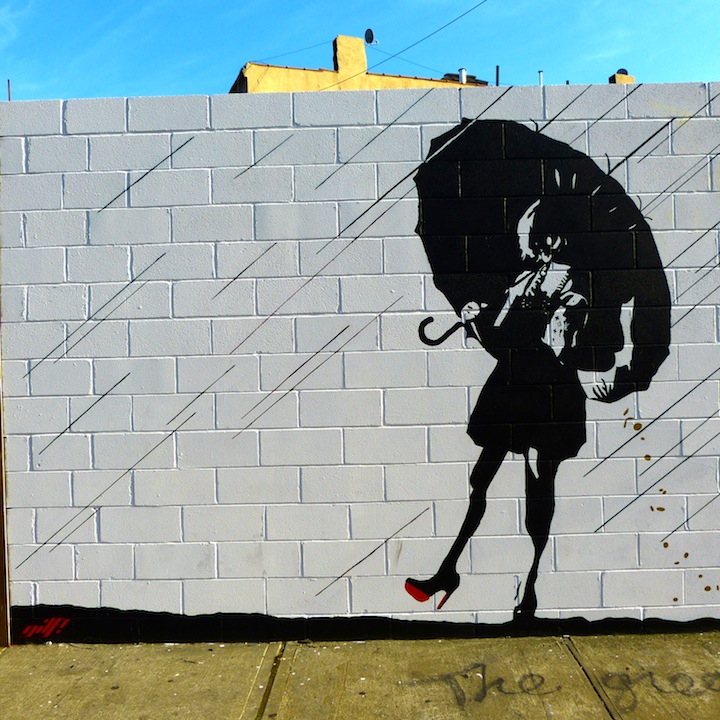
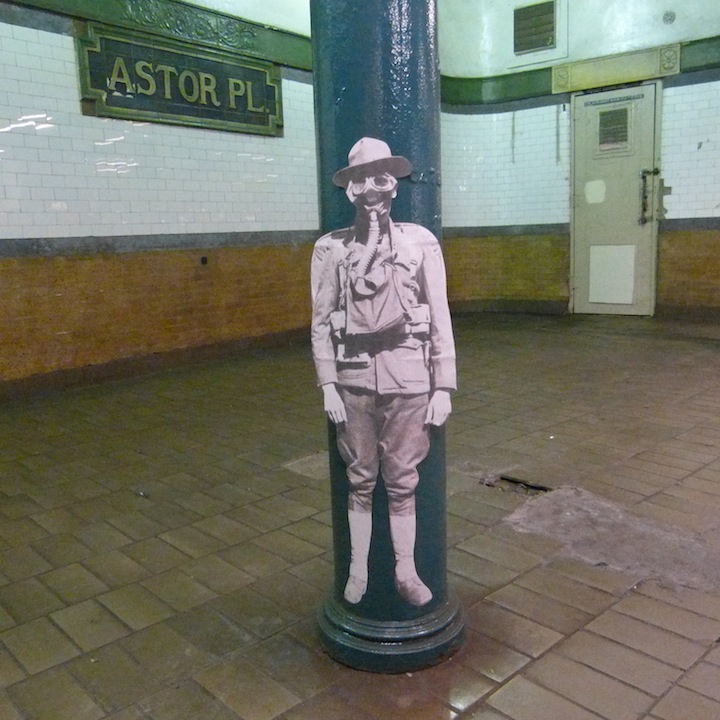
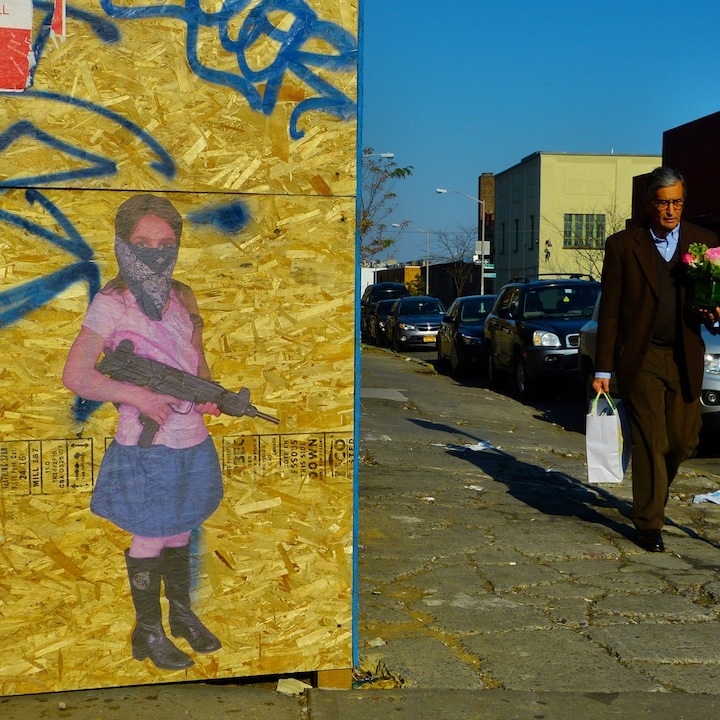
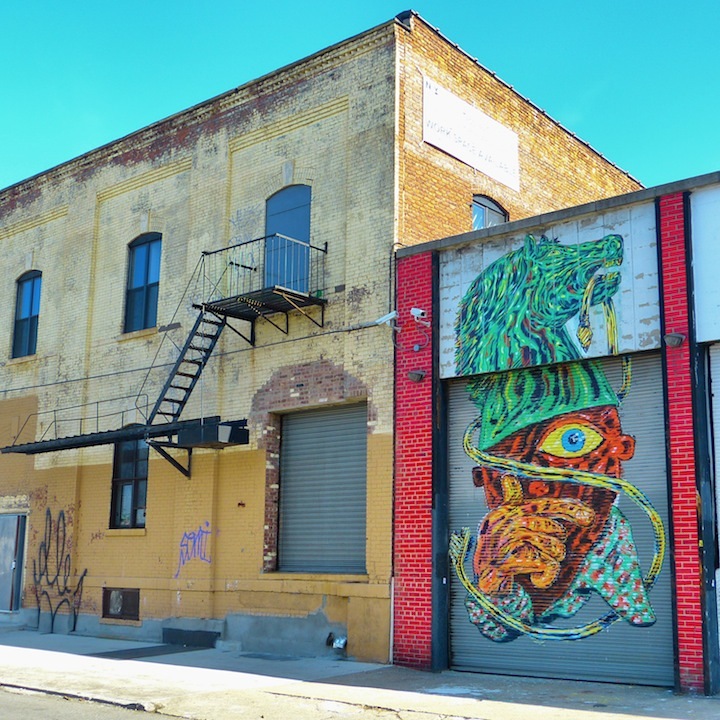
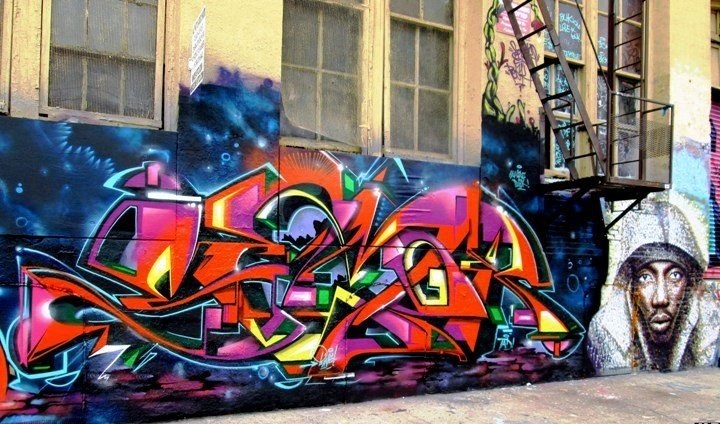
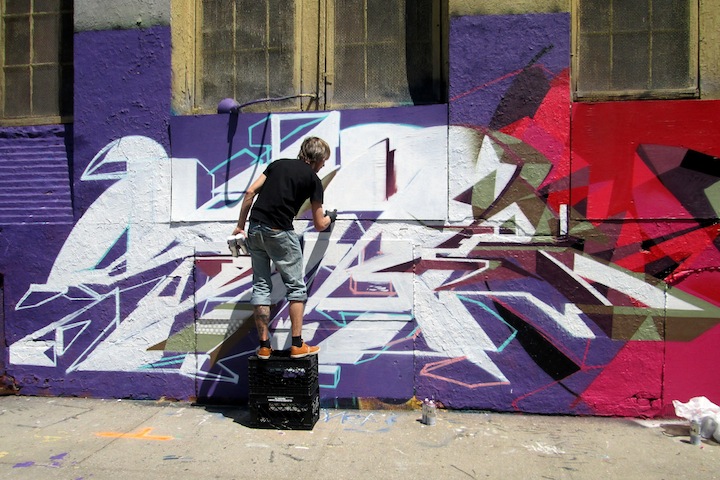
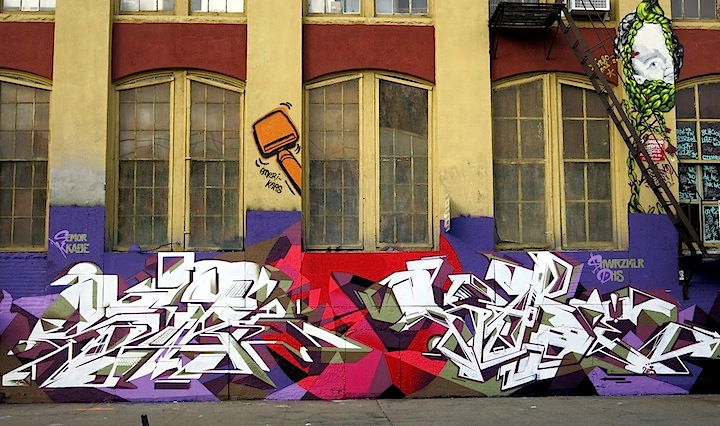
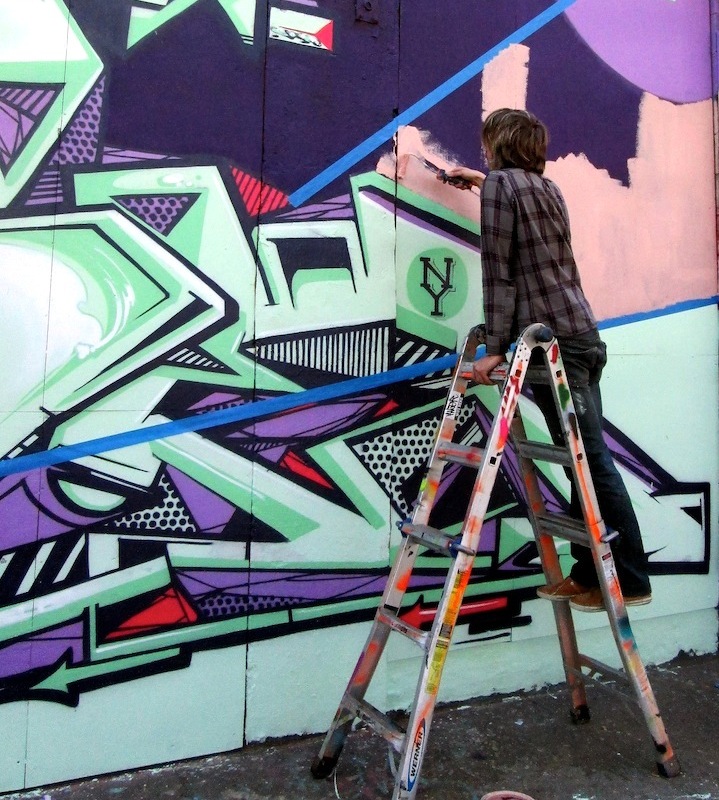
We recently had the opportunity to speak to the dynamic Mike Baca aka 2ESAE and Fernando Romero aka SKI of the collective UR New York at Pop International’s new pop-up location at the Atrium at 153 East 53rd Street – where a vibrant new series of the talented duo’s art is on view.

When was UR New York born?

Mike: It started back in 2002 as a clothing line. But it died out for a while.

Fernando: Then in 2011 we revived it as an art collective.

You two are such a great team. How did you guys meet?

Fernando: We met through a mutual friend in 2005.

What would you say is the key to your success as a team?

Fernando: We don’t let the success get to us. We do what we do because it feels right.  As individuals we’re strong, but when we work together as a team, we are even stronger. And we are like brothers.

Do you guys have a mission of some kind?

Fernando: It’s all about individuality. Most people are sheep. The message is: Don’t be sheep. Be who you are, and be the best that you can be – whoever you are and whatever you do.

UR New York street art

Have you a formal art education?

Mike: I went to the High School of Art and Design.

Fernando: I graduated from Parsons in 2006.

Any thoughts about art school, Fernando?

It was an amazing experience. I met so many talented people – students and teachers — and I now have friends from all over the world.

How has your work evolved in the past few years?

Fernando: We’ve begun to focus much more on detail. We experiment with different styles and variations of colors.

Mike: We’ve learned how to step out of our comfort zone.

UR New York

How do you feel about the movement of graffiti into galleries?

Fernando: Even though it’s been going on for awhile, it’s a process. It will take awhile for graffiti to be accepted by the art establishment.

Mike:  As long as you keep it real, it’s a great platform. And at this gallery – Pop International – a percentage of our sales goes to CAW, a non-profit that offers free arts workshops to kids uptown.

Tell us something about your experiences here at Pop International and CAW.

Mike: It’s been awesome. The folks here at Pop International are like family to us. And through CAW, we’ve been working with kids. It’s great serving as role models.

Fernando:  Definitely. It’s been a great experience. And we get to hang out in this gallery and see our artwork hanging alongside the likes of Keith Haring and Basquiat!

Who are some of your favorite artists?

Fernando: Among my favorites are: KA, Belin from Spain and my partner, Mike Baca!

Mike: I like Skewville, REVS, Smart CrewKA and See One.

UR New York and KA

Any thoughts about the graffiti/street art divide?

Mike: I can appreciate street art. I like the way it interacts with the environment. But there’s a natural tension between graffiti writers and street artists, as many writers risked their lives to make their mark. But we’re all in this together, playing in the same arena.

Have you any first graffiti memory that comes to mind?

Mike:  I remember finding a can of spray paint in my basement. I took it to school with me and wrote my name in the schoolyard. I got suspended.

Fernando: I was about six years old when I saw my cousin writing for the first time in Astoria, Queens. By the time I was ten, I started writing my name around my neighborhood.

What percentage of your time is devoted to art?

Mike: My whole life is devoted to art. I don’t have a day job, and I almost never sleep.

Fernando: When I’m not making art, I’m thinking about what I’m going to make.

UR New York

Any artists out there you’d like to collaborate with?

Fernando: How and Nosm, Os Gemeos, C215, Jose Parla, Doze Green, WK Interact

Mike: If I could collaborate with anyone, I’d choose BluRoa and Mode.

Any thoughts about the role of the Internet in all this?

Fernando: I see it as good and bad. It’s good because it can give an artist mass exposure. But – at the same time – a nobody can become a somebody. And that’s not good.

Mike: The Internet is the devil. There’s just too much information out there.  But on the plus side, you can get to show your work anywhere.

Any theories as to why graffiti is more embraced in Europe than here in the US?

Mike: People are more relaxed there and more appreciative of everything.

Fernando: Europeans are generally more open than Americans. They’re more laid back. Art has been a part of  European culture far longer, and Europeans tend to respect and appreciate it more.

KA and UR NewYork

Which countries have you guys painted in?

Fernando: Australia, Italy, Austria, Israel, Brazil, the Dominican Republic, Canada, much of the US and Puerto Rico.

Any favorite cities?

Fernando: There’s nothing like NYC.

Where do you get your inspiration?

Fernando: Women, cars, buildings…just walking with my eyes open inspires me.

Mike: NYC. It’s a monster. It’s always alive and a constant source of inspiration.

Tell us something about your process.

Mike: It’s organic. We just let it flow.

Are you generally satisfied with your work?

Mike: We always strive to make it better.

What’s ahead?

Mike: Painting on a larger scale; working more with children and curating shows for people who don’t have the opportunities that we have.

Fernando: All that and making five times as much money!

Photos by Dani Mozeson and Lois Stavsky; the two trucks featured are by UR New York in collaboration with KA

{ 1 comment }

The walls at the Bushwick Collective continue to showcase a range of masterful artistic expressions. In addition to the wonderful mural featured here earlier by Sheryo & the Yok, an astonishing variety of new works —  by  local, national and international artists —  have found a home here. A sampling follows:

Puerto Rico-native David RIMX Sepulveda

Rimx

Baltimore-based Billy Mode at work earlier in the month

Billy Mode

The final mural by Billy Mode and Chris Stain

Chris Stain and Billy Mode

Baltimore-based artist Mata Ruda at work

Mata Ruda

South Carolina-based Patch Whisky

Patch Whisky

The prolific Fumero

Fumero

South Africa-based Nard Star

Nardstar

Nardstar

 Atlanta-based Trek Matthews

Trek Matthews

South Carolina-based Ishmael

Ishmael

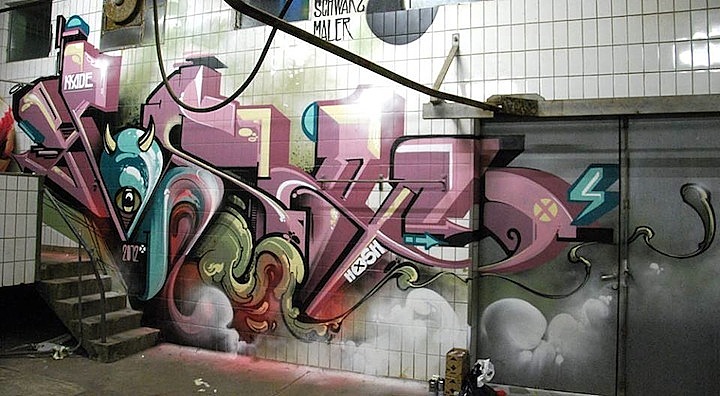
Keep posted to our Facebook page for the latest news on the Bushwick Collective and for photos of Gaia’s new piece.

Photos by Dani Mozeson, Tara Murray and Lois Stavsky
{ 0 comments }

A self-described “graffiti glass artist,” Zees speaks about his past ventures and his current project.

Zees

When did you first get into graffiti?

A little over ten years ago. I was about 10 when I started tagging War. But I needed to change names a few times to avoid the law. Eventually I found Zees.

What got you into it?

I grew up in West Orange, New Jersey, and I always saw graffiti on the highways when we drove anywhere.  I liked what I saw.

Who are some of your favorite writers – the ones who inspire you?

The Italian writer, Zin aka Bes, Sen2, Dr. Sex and PK Kid.

Zees

Have you any memorable experiences from your early writing days?

I was in sixth grade when I got arrested for writing on a huge sprinkler house in a golf course on Essex County property.  It was the first time I ever went on a “graffiti mission!”

What is the riskiest thing you ever did? And why?

Hanging at the end of a cliff on a two-inch platform about 400-500 feet in the air. It’s a prime spot off a highway. That’s why!

How did your mom take all this?

She didn’t like it – but these days she’s really happy with what I’m doing.

Could you tell us a bit about what you are doing these days?

I recycle pieces of mirrors, stained glass and assorted found materials into 3-D graffiti pieces.

Zees

That must be quite a process! How do you manage to find such an abundance of mirror and stained glass remnants?

They’re the leftover pieces that surface regularly from my uncle’s business, the Artique Glass Studio, in Glen Rock, New Jersey.

Wow! I’m glad they are getting put to such good use! Have you studied art on a formal level?

No. I’m self-taught. I’ve always been doing art of some kind as long as I can remember. But nothing has been as addictive as graffiti.

How do you feel about the movement of graffiti into galleries?

I think it’s great. Graffiti is a compulsive activity, and it gives us writers something to strive for.  It offers talented graffiti writers the chance to get the recognition they deserve.

Zees

Any thoughts about the role of the Internet in all this?

I love it. I get to see what everyone else is doing.

How do you spend your time when you are not involved in your current project?

Skateboarding, making music and building stained-glass reptile cages.

What’s ahead?

I’d like to continue what I’m doing – mastering the techniques and producing high-quality work. I look forward, too, to seeing my work in galleries.

Zee’s first solo exhibit opens tomorrow evening, April 23, from 7-10pm at Sapphire Lounge, 249 Eldridge Street on Manhattan’s Lower East Side.

 Photos by Dani Mozeson and Lois Stavsky 

{ 0 comments }

New York City’s doors are among the most expressive anywhere — sporting everything from tags and stickers to sophisticated images. Here’s a sampling:

NYC-based designer Jordan Betten in Chelsea

Betten

Faile in Brooklyn

Faile street art

Bast in TriBeCa

Bast street art

Philadelphia-based Doug Nox aka Harlequin in Brooklyn

Harlequin

TAG’s Army of One and Adam Dare on Manhattan’s Lower East Side

Army of One & Adam Dare

Cash4 Smells tag, Jellyfish and more in Greenpoint, Brooklyn

Cash4 and Smells and Jellyfish

Katsu on the exterior of Eyebeam in Chelsea

Katsu

Photos by Lenny Collado, Dani Mozeson and Lois Stavsky

{ 6 comments }

This is the eighth in a series of ongoing posts featuring the diverse range of trucks and vans that strike NYC streets:

Chilean street art pioneer Cekis 

Cekis

Kwaz in Midtown Manhattan

Kwaz

NYC’s prolific UR NewYork and KA in Downtown Brooklyn

URNewYork and KA

NYC graffiti artists Sevor and Ideal

Sevor and Ideal

Veteran writer Wane in East Harlem

Wane graffiti

The Royal KingBee in Midtown Manhattan

The Royal KingBee

Brooklyn’s Dek & Glue 2dx

graffiti truck

 Photos by Lenny Collado, Dani Mozeson, Tara Murray & Samantha Sabatino

{ 0 comments }

This is the third in a series of posts showcasing NYC’s stylish stickers that surface on an array of public surfaces:

UK artist, Paul Insect 

Paul Insect sticker

French artist Franck Duval aka FKDL in Bushwick, Brooklyn

FKDL sticker

The ever-present Crasty

Crasty

See One in downtown Manhattan

See One sticker

Baser sticker collage in Chelsea

Baser sticker collage

 Shepard Fairey aka Obey

Shepard Fairey sticker

SkinTone on Manhattan’s Upper West Side

skintone-street-art-sticker-in-NYC

Reka in downtown Manhattan

Reka sticker

2Esae in Chelsea, Manhattan

2Esae sticker

Photos by Lenny Collado, Dani Mozeson and Lois Stavsky

{ 1 comment }

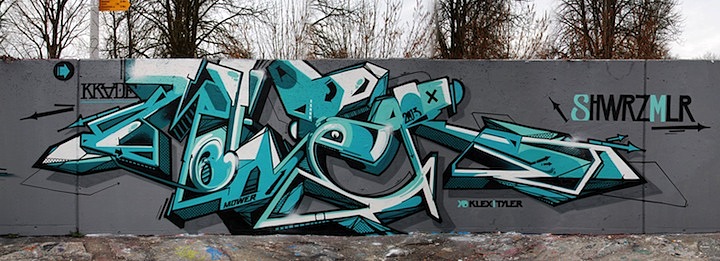
Speaking with Sen2

April 2, 2013

Sen2 graffiti

Huge fans of Sen2’s masterful artworks on an array of surfaces — from canvases to walls — we were delighted to have the opportunity to visit his South Bronx studio and pose a few questions to him.

When and where did you start getting up?

I first started hitting walls in Puerto Rico – where I grew up – when I was about 15. That was back in 1986.

What inspired you at the time?

I used to spend my summers with family in NYC up in the Bronx. There I discovered pieces by DazeCrash and Seen. I also started noticing pieces in magazines by writers like Hex and Slick,

Have you a formal art education?

No.  The streets have been my teacher. One’s experience is the best teacher.

Sen2's studio

Besides the 4Burners, have you belonged to other crews?

I learned a lot from Tats Cru when I was a member a number of years back. But I am no longer with them. And when I was in Puerto Rico, I painted with BWS.

What about collaborations? Have you collaborated with other artists on specific pieces?

When I’m in my studio, I generally work alone. But I’m currently working with KingBee for an exhibit of our works that opens on Friday, April 12 at Gallery 69 in Tribeca.

KingBee and Sen2

How do you feel about the movement of graffiti into galleries?

I feel it’s a great opportunity for artists. It opens the doors for many of us.

Besides Gallery 69, where else have you exhibited?

My artwork has been featured at the Smithsonian, at the Volkinger Hutte Urban Art Biennale 2013 in Germany and at Miami Art Basel. I’ve also been in other galleries abroad.

Have you any favorite cities?

New York City. The Bronx. That’s where it all began. But I also love Madrid, Spain and San Juan, Puerto Rico.

Sen2

Why do you suppose graffiti is held in higher esteem in Europe than it is here?

There’s no unity here, and that’s part of the problem. We don’t work as a group to present ourselves in a way that will gain us respect and recognition. Every writer has too much pride.

Any thoughts about the graffiti/street art divide?

I like street art, but I will always consider myself a graffiti writer. Everything that I do is rooted in graffiti. And I’d like to see graffiti writers have the same opportunities that street artists have.

Who are some of your favorite writers?

There are many. Among them are: Bio, Beacon, Kem5 and KingBee.

Sen2 in studio

And does anyone — in particular — inspire you these days?

The late Dare TWS from Germany.

What percentage of your time is devoted to art?

100%. I’m all in. Just about all the time – from early morning until late at night.

Any other passions?

I’m also a soccer fan. And I love spending time with my family.

How does your family feel about what you do?

They’re 100% behind me. My wife loves what I do.

Sen2

Your art seems to be always evolving. Your work that was on exhibit at Fountain certainly blurs the lines between graffiti and fine art. Could you tell us something about that?

It all started with wild-style. Then I began to incorporate 3-D elements. And, more recently, my influences have been pop art and abstract art. Everything I do, though, is inspired by graffiti, and all of my current works have graffiti elements in them.

How do you feel about the role of the Internet in all this?

I like it. It keeps me up with what’s happening – both on the streets and in the galleries.

What do you see as the role of the artist in society?

To share with others one’s personal interpretation of the world.

What’s ahead?

Just getting better and bigger for me and my family.

Photos by Lenny Collado, Dani Mozeson, Tara Murray and Lois Stavsky
{ 1 comment }

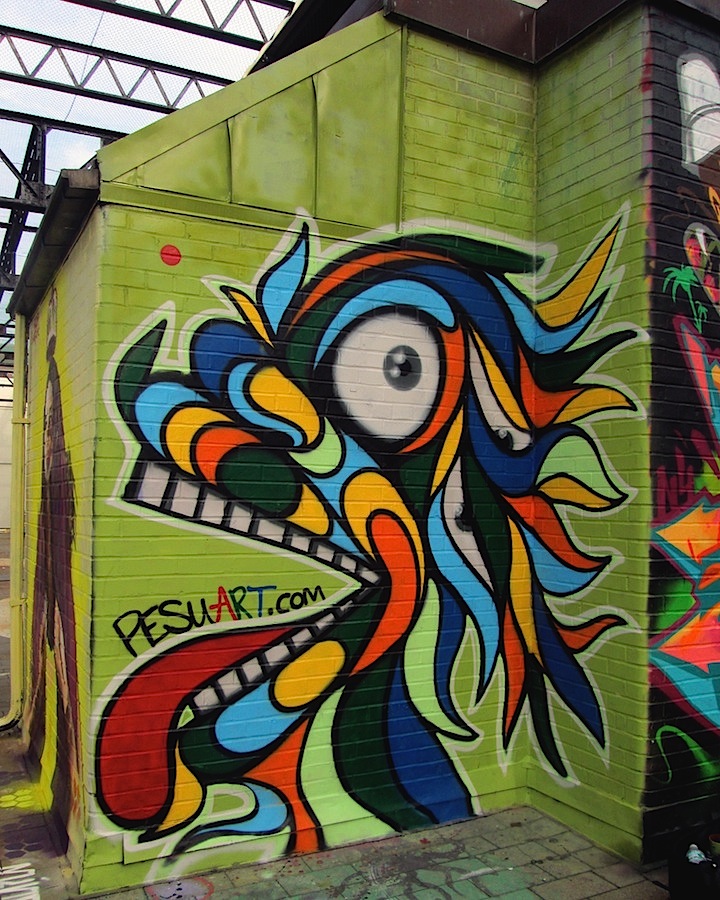
This is the eighth in a series of posts featuring images of girls — and women — who grace New York City’s public spaces:

Italian artist Alice Pasquini at the Bushwick Collective

Alice Pasquini

Jordan Betten in Chelsea

Jordan Betten

Alice Mizrachi  at Welling Court in Astoria, Queens

Alice Mizrachi

Lady Pink at Welling Court in Astoria, Queens

Lady Pink

 Mor in Chelsea

Mor

 Photos by Lois Stavsky
{ 0 comments }

KR.ONE

The first in a series of “Blackbook Pieces and Tags” features the work of veteran writer  Louie Gasparro aka KR.ONE. Over 30 years ago, KR.ONE was hitting the trains; these days he continues to make his mark on a range of legal surfaces from black books to canvasses to huge buses. His work will be featured in the upcoming Flip the Script Book Release and Art Show at Reed Space at 151 Orchard Street on April 4 and in a solo exhibit at 5Pointz on Saturday, May 11.
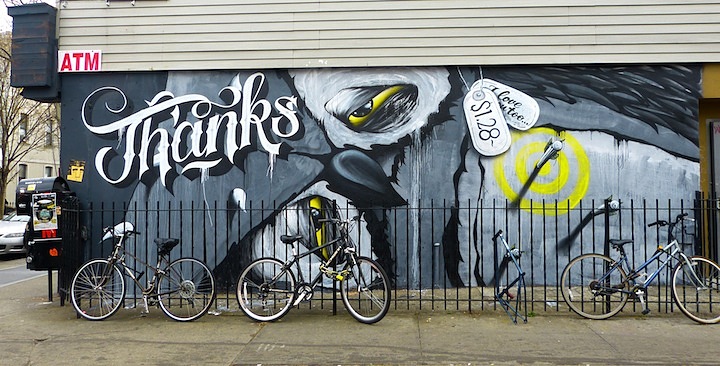
KR.ONE writes Kashmir 172

KR.ONE

Forty Deuce

KR.ONE

The Lost Art of the Tag

KR.ONE

New York City Tag Style

KR.ONE

DoomVader

KR.ONE

2Mint

KR.ONE

All images courtesy of Louie “KR.ONE” Gasparro; the first image is KR.ONE for SAGE RTW

{ 0 comments }

Speaking with Reka

March 22, 2013

Reka street art

An original member of Melbourne’s legendary Everfresh crew, James Reka graces public spaces in dozens of cities throughout the globe with his splendid, surreal – ever evolving – aesthetic.  

When and where did you start getting up?

I started when I was in high school. Back in 1999.  I was doing traditional graffiti at the time — just wrecking shit with a bunch of local guys.

Ah! So that explains your name! What stirred you to hit the streets back then?

I was inspired by what I saw catching the train to school every day.  And I grew up in the suburbs with the whole hip-hop and skateboard culture.  I also loved the thrill of doing something illegal.

We associate your street art with characters rather than with traditional graffiti. When did characters become an essential part of your work?

By 2001-2002 I was already into characters. I always felt happier with characters than with traditional graffiti.

Reka artwork

Have you a formal art education?

I consider myself a self-taught artist and I’m proud of that. I did, though, take some courses in graphic design.

Have you any preferred surfaces?  Spots?

I like anything with character that already has texture. I love abandoned places, particularly those with character and history.

Any favorite cities?

I’d say New York City and Berlin. I like cities with history.

Reka street art

What percentage of your time is devoted to art these days? Any other passions?

Just about all of my time is devoted to art these days. I think about it every second. If I weren’t making art, I’d be making electronic music.

How do you feel about the movement of street art into galleries?

I’m fine with it. Selling my art in galleries provides me with the income I need to fund my projects on the streets.

What about working with brands? Is it something you would do?

Working with brands can taint your image. But I’m okay with it, so long as I believe in the brand.

Reka street art

You have exhibited your work in dozens of galleries. We are so glad that you continue to maintain such a strong presence in the streets. What motivates you to do so?

I love surprising people and sharing with them my representation of the human form. When my work is out on the streets, it reaches lots of people and opens their eyes to another way of looking at things. And that’s important to me. I also love working on a large scale and using my surroundings to my advantage.

Have you any thoughts about the graffiti/street art divide?

It’s easier for street artists to get their work into galleries, and it’s understandable that graffiti artists would resent that.

We’ve noticed just how much your art keeps evolving.   Your current style and choice of colors are quite distinct from last year’s.  Your flow is looser. We’re curious about that!

Well, I’m rarely satisfied. And I’m always trying to expand my vision.  My focus now is less about the figure and more within the figure. I find that using natural, earthy colors gives my work a more human element.

How do you feel about the role of the Internet in all this?

Mixed.  On the positive side, it’s a great promotion tool, as it makes it easy for an artist to get his work out. On the other hand, it make it all too easy to access information. It’s too easy to know what other artists are doing.

Reka street art

What’s ahead?

Traveling. I’d like to visit Brazil and I’d also like to paint in more rural areas and on larger walls.  And I’d like to focus more on fine arts.

Good Luck! And we’re looking forward, of course, to your next visit to New York City.

Photos by Dani Mozeson and Lois Stavsky; the second image is of artwork currently on exhibit at Bold Hype Gallery, 547 W. 27 Street in Chelsea

{ 0 comments }