Interviews

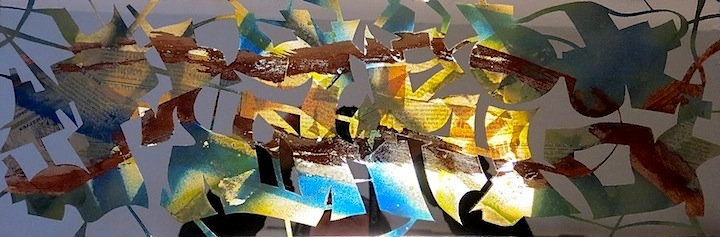
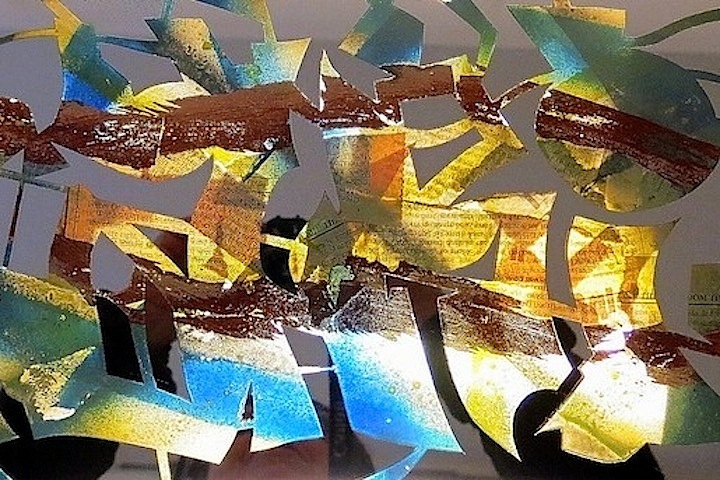
A self-described “graffiti glass artist,” Zees speaks about his past ventures and his current project.

Zees

When did you first get into graffiti?

A little over ten years ago. I was about 10 when I started tagging War. But I needed to change names a few times to avoid the law. Eventually I found Zees.

What got you into it?

I grew up in West Orange, New Jersey, and I always saw graffiti on the highways when we drove anywhere.  I liked what I saw.

Who are some of your favorite writers – the ones who inspire you?

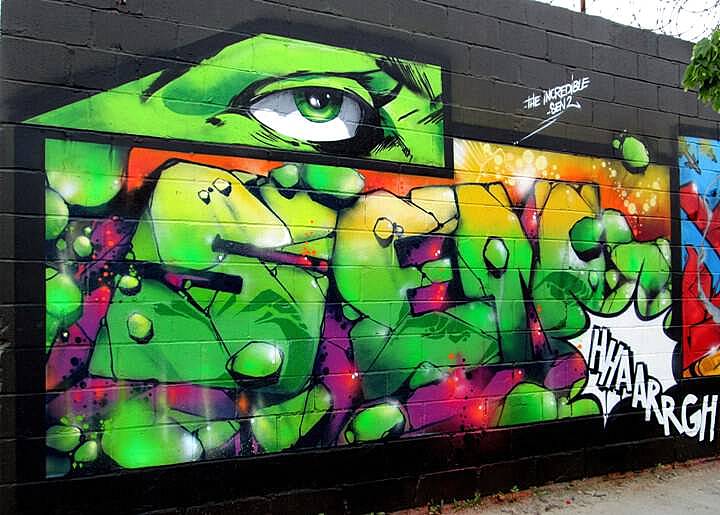
The Italian writer, Zin aka Bes, Sen2, Dr. Sex and PK Kid.

Zees

Have you any memorable experiences from your early writing days?

I was in sixth grade when I got arrested for writing on a huge sprinkler house in a golf course on Essex County property.  It was the first time I ever went on a “graffiti mission!”

What is the riskiest thing you ever did? And why?

Hanging at the end of a cliff on a two-inch platform about 400-500 feet in the air. It’s a prime spot off a highway. That’s why!

How did your mom take all this?

She didn’t like it – but these days she’s really happy with what I’m doing.

Could you tell us a bit about what you are doing these days?

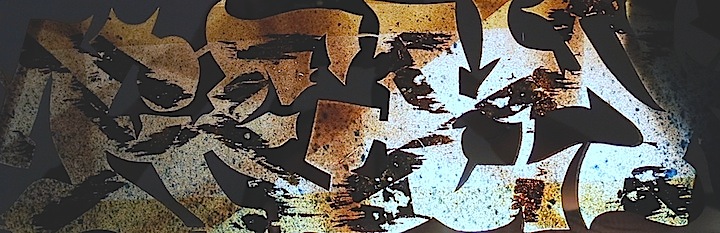
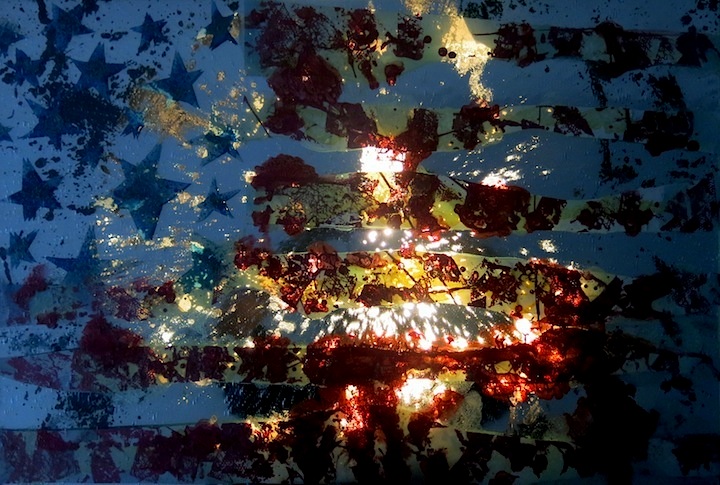
I recycle pieces of mirrors, stained glass and assorted found materials into 3-D graffiti pieces.

Zees

That must be quite a process! How do you manage to find such an abundance of mirror and stained glass remnants?

They’re the leftover pieces that surface regularly from my uncle’s business, the Artique Glass Studio, in Glen Rock, New Jersey.

Wow! I’m glad they are getting put to such good use! Have you studied art on a formal level?

No. I’m self-taught. I’ve always been doing art of some kind as long as I can remember. But nothing has been as addictive as graffiti.

How do you feel about the movement of graffiti into galleries?

I think it’s great. Graffiti is a compulsive activity, and it gives us writers something to strive for.  It offers talented graffiti writers the chance to get the recognition they deserve.

Zees

Any thoughts about the role of the Internet in all this?

I love it. I get to see what everyone else is doing.

How do you spend your time when you are not involved in your current project?

Skateboarding, making music and building stained-glass reptile cages.

What’s ahead?

I’d like to continue what I’m doing – mastering the techniques and producing high-quality work. I look forward, too, to seeing my work in galleries.

Zee’s first solo exhibit opens tomorrow evening, April 23, from 7-10pm at Sapphire Lounge, 249 Eldridge Street on Manhattan’s Lower East Side.

 Photos by Dani Mozeson and Lois Stavsky 

{ 0 comments }

Speaking with Sen2

April 2, 2013

Sen2 graffiti

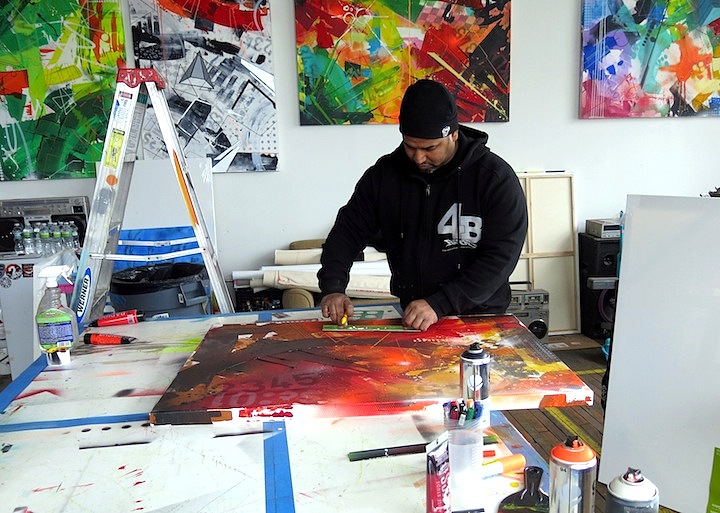
Huge fans of Sen2’s masterful artworks on an array of surfaces — from canvases to walls — we were delighted to have the opportunity to visit his South Bronx studio and pose a few questions to him.

When and where did you start getting up?

I first started hitting walls in Puerto Rico – where I grew up – when I was about 15. That was back in 1986.

What inspired you at the time?

I used to spend my summers with family in NYC up in the Bronx. There I discovered pieces by DazeCrash and Seen. I also started noticing pieces in magazines by writers like Hex and Slick,

Have you a formal art education?

No.  The streets have been my teacher. One’s experience is the best teacher.

Sen2's studio

Besides the 4Burners, have you belonged to other crews?

I learned a lot from Tats Cru when I was a member a number of years back. But I am no longer with them. And when I was in Puerto Rico, I painted with BWS.

What about collaborations? Have you collaborated with other artists on specific pieces?

When I’m in my studio, I generally work alone. But I’m currently working with KingBee for an exhibit of our works that opens on Friday, April 12 at Gallery 69 in Tribeca.

KingBee and Sen2

How do you feel about the movement of graffiti into galleries?

I feel it’s a great opportunity for artists. It opens the doors for many of us.

Besides Gallery 69, where else have you exhibited?

My artwork has been featured at the Smithsonian, at the Volkinger Hutte Urban Art Biennale 2013 in Germany and at Miami Art Basel. I’ve also been in other galleries abroad.

Have you any favorite cities?

New York City. The Bronx. That’s where it all began. But I also love Madrid, Spain and San Juan, Puerto Rico.

Sen2

Why do you suppose graffiti is held in higher esteem in Europe than it is here?

There’s no unity here, and that’s part of the problem. We don’t work as a group to present ourselves in a way that will gain us respect and recognition. Every writer has too much pride.

Any thoughts about the graffiti/street art divide?

I like street art, but I will always consider myself a graffiti writer. Everything that I do is rooted in graffiti. And I’d like to see graffiti writers have the same opportunities that street artists have.

Who are some of your favorite writers?

There are many. Among them are: Bio, Beacon, Kem5 and KingBee.

Sen2 in studio

And does anyone — in particular — inspire you these days?

The late Dare TWS from Germany.

What percentage of your time is devoted to art?

100%. I’m all in. Just about all the time – from early morning until late at night.

Any other passions?

I’m also a soccer fan. And I love spending time with my family.

How does your family feel about what you do?

They’re 100% behind me. My wife loves what I do.

Sen2

Your art seems to be always evolving. Your work that was on exhibit at Fountain certainly blurs the lines between graffiti and fine art. Could you tell us something about that?

It all started with wild-style. Then I began to incorporate 3-D elements. And, more recently, my influences have been pop art and abstract art. Everything I do, though, is inspired by graffiti, and all of my current works have graffiti elements in them.

How do you feel about the role of the Internet in all this?

I like it. It keeps me up with what’s happening – both on the streets and in the galleries.

What do you see as the role of the artist in society?

To share with others one’s personal interpretation of the world.

What’s ahead?

Just getting better and bigger for me and my family.

Photos by Lenny Collado, Dani Mozeson, Tara Murray and Lois Stavsky

{ 1 comment }

Jason Mamarella

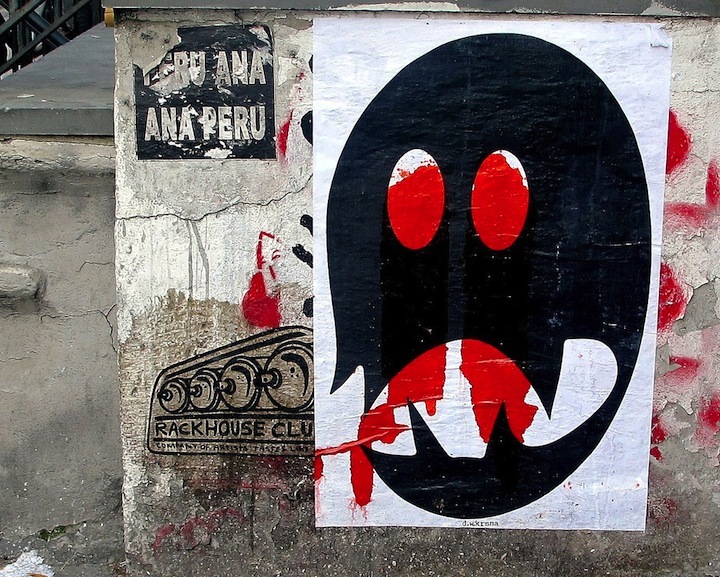
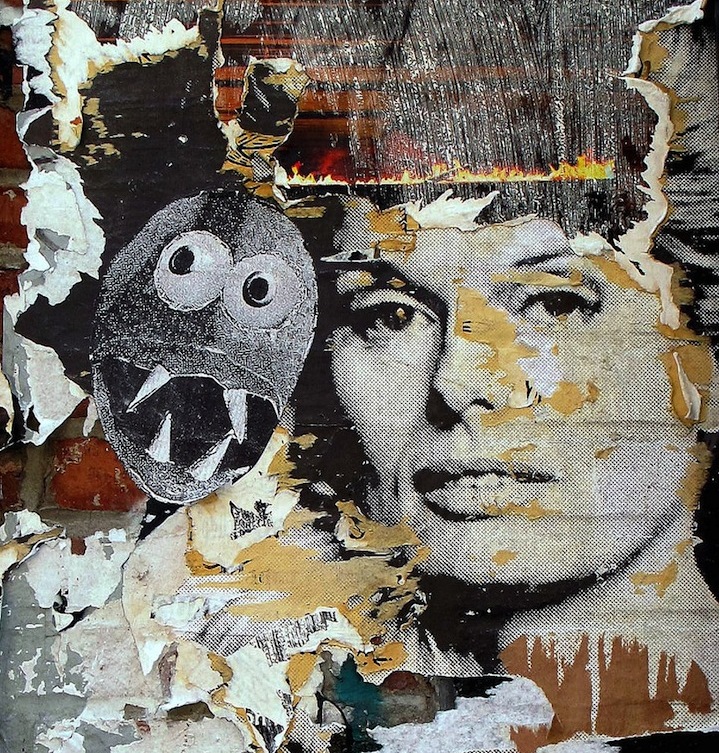
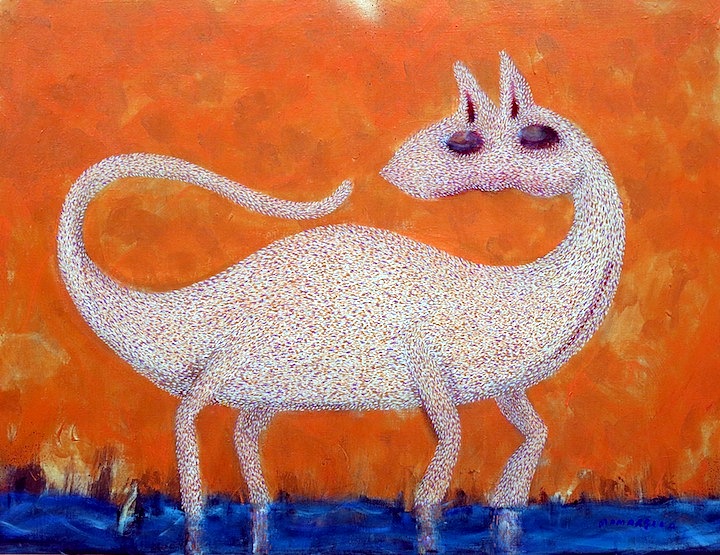
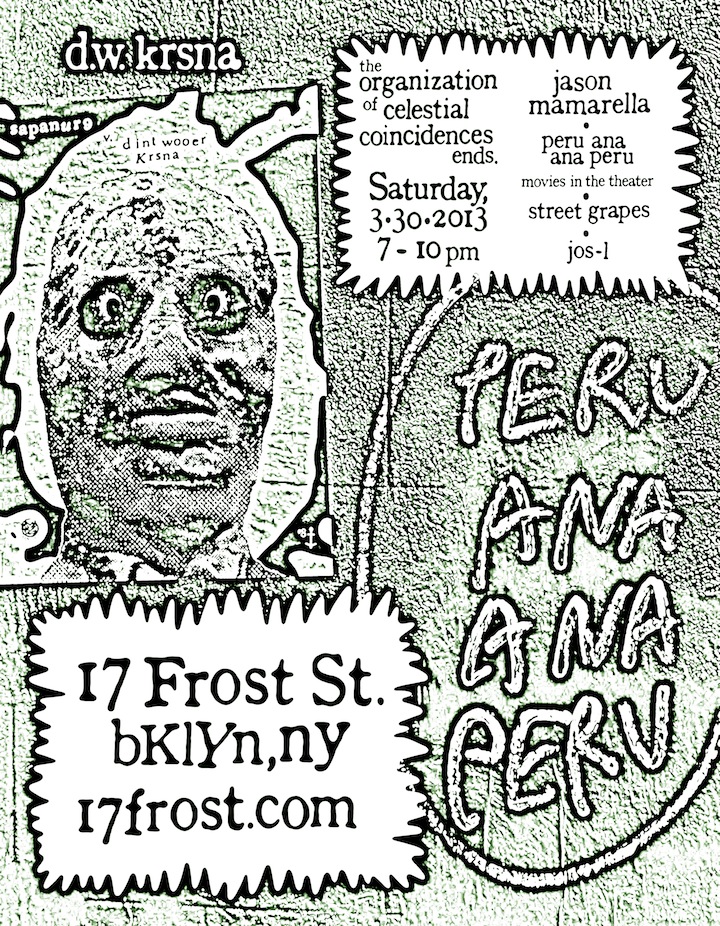
For years, wheatpastes featuring Jason Mamarella’s iconic Dint Wooer Krsna, along with its many variations, were part of NYC’s visual landscape.  Although stickers featuring the eccentric, but lovable, character continue to surface throughout the boroughs, Dint Wooer Krsna, as we’ve come to know him, has largely disappeared. While checking out Jason Mamarella’s current exhibit – ending Saturday evening – at 17 Frost, we had the opportunity to ask him a few questions.

Jason Mamarella

When was Dint Wooer Krsna born?

At about the same time MySpace was born. When I joined, I did not want to reveal my identity. And so I created Dint Wooer Krsna.

So he’s had quite a long run. What happened? It seems that his presence in the streets has certainly diminished.

Definitely. It’s been awhile since I’ve hit the streets with anything other than stickers. I’m older and ready to move on to other things. Besides, the streets no longer call out to me the way they used to. They were far more interesting when I first began hitting them.

What about the artists getting up here in NYC these days? Do any interest you?

Not all that many. I like what Bäst is doing.  Other favorites include: Ana Peru, Jos l and Matt Siren.

Any thoughts about the move of street art into galleries?

I have no problem with it. It’s a different experience. What I show in galleries is almost always distinct from what I share on the streets.

Jason-Mamarella-acrylic-on-linen

What do you see as the role of the artist in society?

It is to present new ideas that aren’t widely accepted.

What’s ahead?

More painting. Collaborations with Street Grapes. Toys. Animation.

Sounds good!

KRSNA and Ana Peru

The final viewing of the organization of celestial coincidences by Jason Mamarella is Saturday, March 30, 2013, from 7 to 10 pm with special guests: Dint Wooer Krsna, Street Grapes & Jos-L. Peru Ana Ana Peru will be screening movies in the theater at 17 Frost Street Gallery, Williamsburg, Brooklyn. L train to Lorimer. A small number of limited edition books, featuring  a wide array of Jason Mamarella’s images, are still available. 

Photos by Lois Stavsky

{ 0 comments }

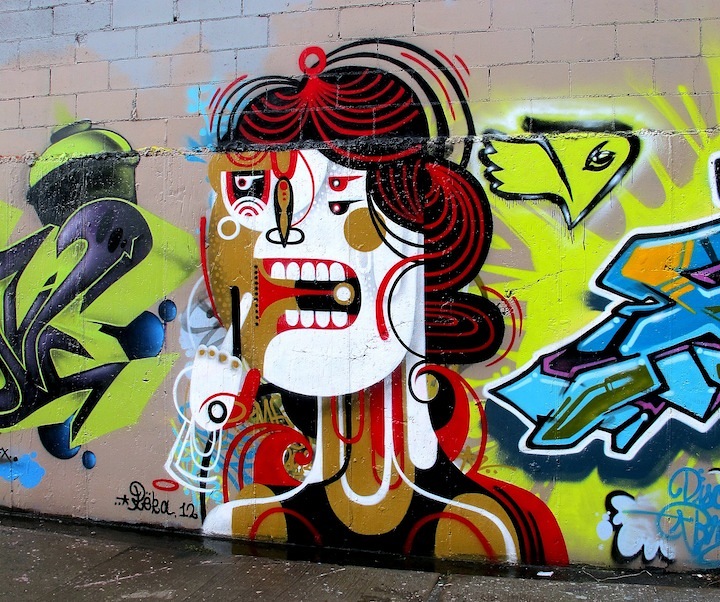
Speaking with Reka

March 22, 2013

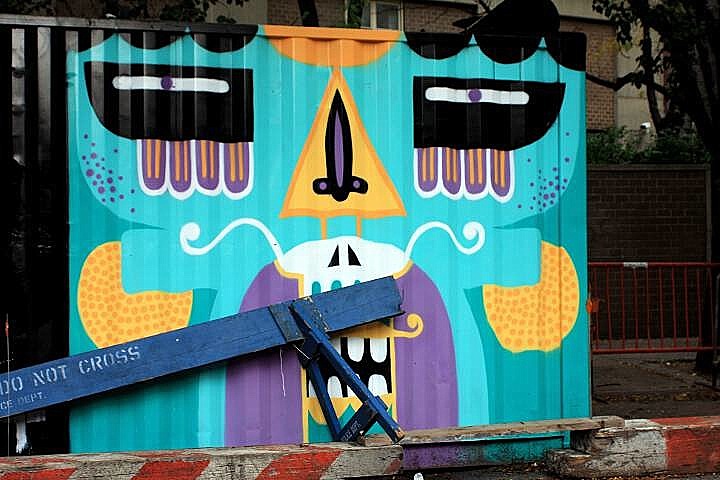
Reka street art

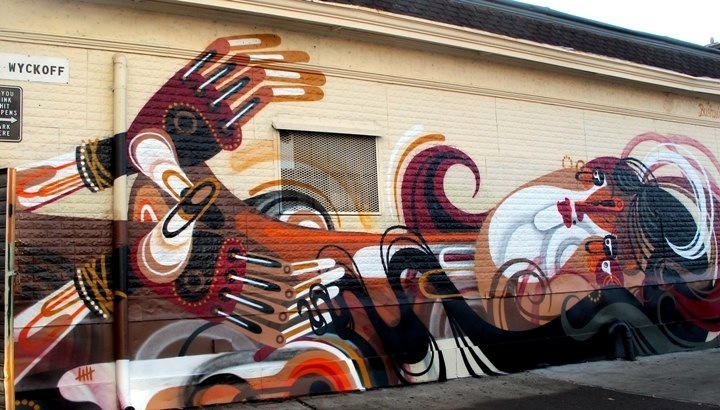
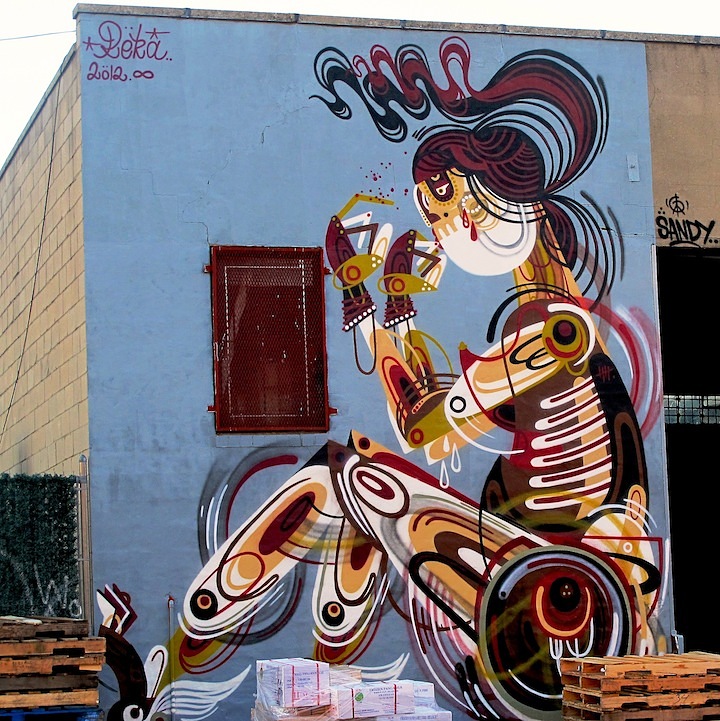
An original member of Melbourne’s legendary Everfresh crew, James Reka graces public spaces in dozens of cities throughout the globe with his splendid, surreal – ever evolving – aesthetic.  

When and where did you start getting up?

I started when I was in high school. Back in 1999.  I was doing traditional graffiti at the time — just wrecking shit with a bunch of local guys.

Ah! So that explains your name! What stirred you to hit the streets back then?

I was inspired by what I saw catching the train to school every day.  And I grew up in the suburbs with the whole hip-hop and skateboard culture.  I also loved the thrill of doing something illegal.

We associate your street art with characters rather than with traditional graffiti. When did characters become an essential part of your work?

By 2001-2002 I was already into characters. I always felt happier with characters than with traditional graffiti.

Reka artwork

Have you a formal art education?

I consider myself a self-taught artist and I’m proud of that. I did, though, take some courses in graphic design.

Have you any preferred surfaces?  Spots?

I like anything with character that already has texture. I love abandoned places, particularly those with character and history.

Any favorite cities?

I’d say New York City and Berlin. I like cities with history.

Reka street art

What percentage of your time is devoted to art these days? Any other passions?

Just about all of my time is devoted to art these days. I think about it every second. If I weren’t making art, I’d be making electronic music.

How do you feel about the movement of street art into galleries?

I’m fine with it. Selling my art in galleries provides me with the income I need to fund my projects on the streets.

What about working with brands? Is it something you would do?

Working with brands can taint your image. But I’m okay with it, so long as I believe in the brand.

Reka street art

You have exhibited your work in dozens of galleries. We are so glad that you continue to maintain such a strong presence in the streets. What motivates you to do so?

I love surprising people and sharing with them my representation of the human form. When my work is out on the streets, it reaches lots of people and opens their eyes to another way of looking at things. And that’s important to me. I also love working on a large scale and using my surroundings to my advantage.

Have you any thoughts about the graffiti/street art divide?

It’s easier for street artists to get their work into galleries, and it’s understandable that graffiti artists would resent that.

We’ve noticed just how much your art keeps evolving.   Your current style and choice of colors are quite distinct from last year’s.  Your flow is looser. We’re curious about that!

Well, I’m rarely satisfied. And I’m always trying to expand my vision.  My focus now is less about the figure and more within the figure. I find that using natural, earthy colors gives my work a more human element.

How do you feel about the role of the Internet in all this?

Mixed.  On the positive side, it’s a great promotion tool, as it makes it easy for an artist to get his work out. On the other hand, it make it all too easy to access information. It’s too easy to know what other artists are doing.

Reka street art

What’s ahead?

Traveling. I’d like to visit Brazil and I’d also like to paint in more rural areas and on larger walls.  And I’d like to focus more on fine arts.

Good Luck! And we’re looking forward, of course, to your next visit to New York City.

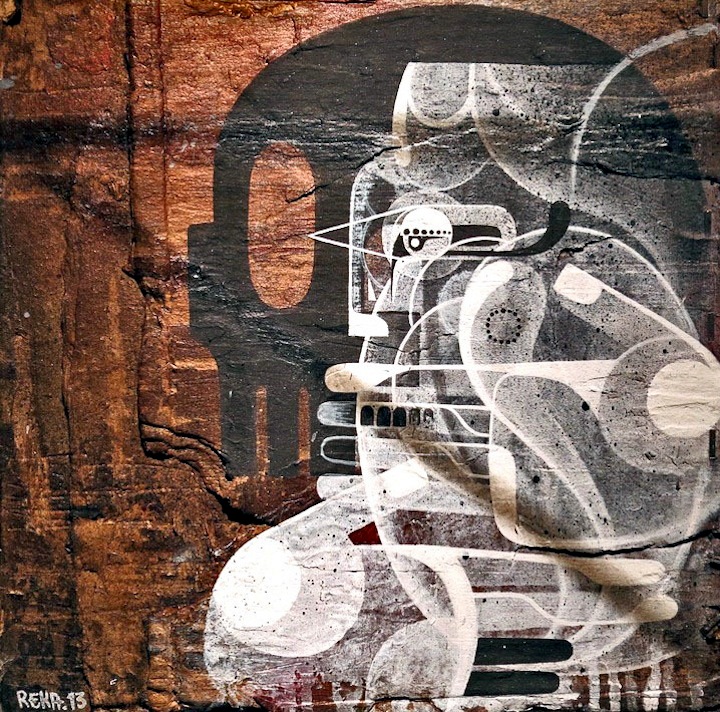
Photos by Dani Mozeson and Lois Stavsky; the second image is of artwork currently on exhibit at Bold Hype Gallery, 547 W. 27 Street in Chelsea

{ 0 comments }

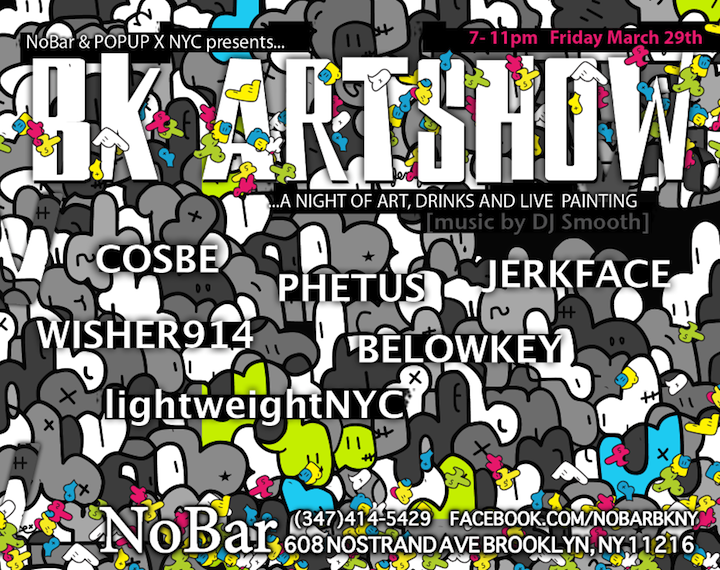
Fueled by their love of art and their passion to promote the art they love, Brian Jerkface and Iman Johnson are busy curating some of NYC’s coolest art events. On a recent visit to their current art show at NoBar at 608 Nostrand Ave. in Brooklyn, we had the opportunity learn a bit about the two talented young men and their upcoming projects.

Phetus

How did this all begin?

Brian: We both love street art and we wanted to share our love with others in alternative settings. It’s great fun, and it’s also a way to help artists, particularly those who work in public spaces, make a living.  Only by selling their art can they continue to pursue their passion.

Do you have a formal art education?

Iman: I attended Cooper Union. My degree is in architecture.

Brian: I studied painting and graphic design at the School of Visual Arts.

Have you any favorite artists?

Iman: My all-time favorite artist is the British painter Francis Bacon.  I also love Lebbeus Woods, a conceptual architect, who was one of my teachers at Cooper Union.  And I love what See One is doing on the streets.

Brian: I love the Cubist style of the Spanish painter Juan Gris. He’s a definite influence on my work. Among those artists who work on the streets, I have many favorites. Among them are: NoseGo, Phetus and Bishop.

Jerkface

What attracted you to street art and graffiti?

Brian:  I grew up listening to hip-hop, and I fell in love with graffiti. When I was about 16, I picked up a spray-can.  I was also into skateboarding.

Iman: Yes, it was the entire culture that drew us in.

What do you see as the future of street art?

Brian:  As it continues to make its mark in both sanctioned and unsanctioned spaces, I see it as getting better and better all the time.

Iman:  Yes, it seems to be in an ideal place right now. While becoming more acceptable, it’s still on the edge and is almost certain to remain so. Most of it will continue to push against authority.

Your current art exhibit here at NoBar is wonderful.  What is the appeal of this particular setting?

Brian:  It’s a wonderful spot, and the neighborhood is easily accessible.  We love the mix of people it attracts, and it is street art-friendly. It allows us to feature live painting at our openings – something we both love.

What’s ahead?  Any other exhibits coming up at NoBar?

Brian:  Yes. Cosbe will be painting live here for our next exhibit on Friday, March 29.  And Deps is among the artists we are featuring in our show opening April 26.

Art-show-@-NoBar

That sounds great! What about other venues? Anything else coming up elsewhere?

Brian:  We are in the process of curating a skate deck exhibit featuring dozens of artists – including Bishop,  Phetus and Col Wallnuts – that will open on April 20th at the Loom Gallery on Flushing Avenue in Bushwick.

Iman:  And we have a number of events coming up in Studio J, our Long Island City space – including a group show, a solo show by Phetus and a kids’ class in street art.

Wow! So much happening! How do you get the word out?

Brian: We get the news of our events out on Instagram and Facebook. We also hand out flyers.

Good luck! We are looking forward to your next event!

Photo of Phetus close-up by Lois Stavsky; Jerkface images courtesy of  POPUP X NYC

{ 1 comment }

BilliKid

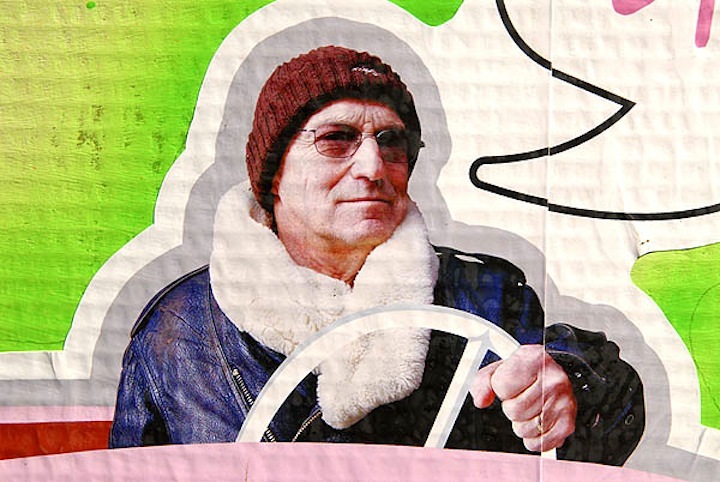
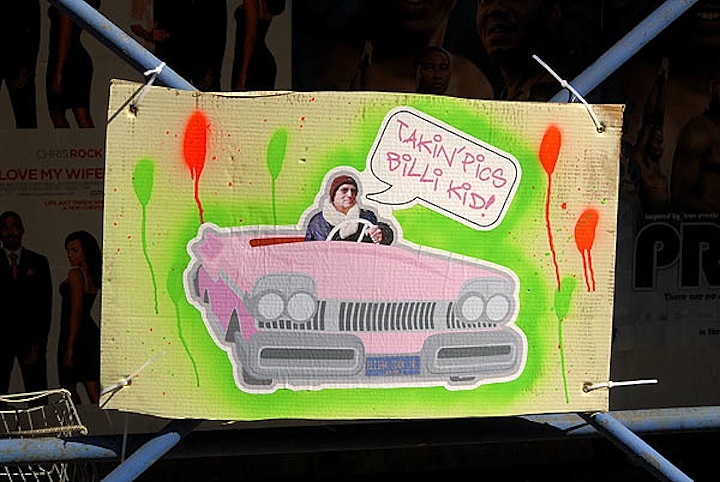
Approaching his 80th birthday, Allan Ludwig, aka Elisha Cook, Jr., can be found just about every day in downtown Manhattan photographing the writings on the walls.  With a BFA Degree in Painting and a PhD in Art History from Yale University, he explains his passion for graffiti and street art.

BilliKid-street-art-in-NYC

How did the name Allan Ludwig become Elisha Cook, Jr.?

When I first started posting photos of graffiti on Flickr, I was advised not to use my real name. I chose to identify myself as Elisha Cook, Jr. because he is my favorite actor. The name stuck!

So that’s it!  When did you begin working as a photographer?

Almost 60 years ago. I was in my 20’s.

What attracted you to the field?

I started drawing in my room as a child. But I had difficulty drawing faces. I never liked the way my noses looked. And when I tried to erase them, I’d end up making holes in the paper. It drove me crazy! I decided that it would be easier for me to capture a face with a camera.

street art and graffiti on 11 Spring Street

Had you any influences back then? 

When I was about 13, my neighbor Max Coplan, an accomplished photographer, taught me how to use a camera.

When did the writings and images that surface on public spaces begin to engage you?

In the early 80’s, I walked into a school playground on Grand and Baxter and discovered that its walls were filled with graffiti. I was intrigued. But as I only used black and white film at the time, my earliest photos of graffiti are in black in white, and I wasn’t documenting it regularly.

What spurred you to photograph the streets so methodically since 2000?

My neighborhood had begun to gentrify. Changes were happening rapidly. Overnight the rent on a local restaurant soared from $4,000 a month to $16,000. I wanted to document these changes. And as soon as I switched from black and white film to color, I began noticing street art.

11 Spring Street

Have you had any particularly memorable experiences while photographing graffiti and street art?

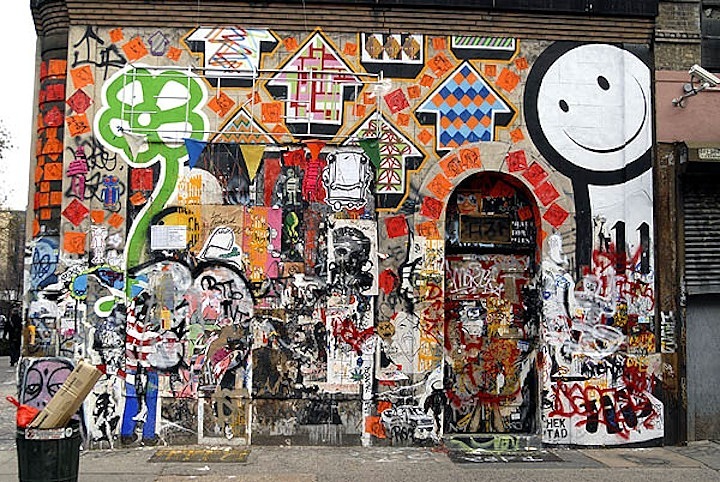
I once came upon a love letter written by a woman from England to Faile that was posted onto the building at 11 Spring Street. She had assumed, incorrectly, that Faile was one person and single. I photographed her love letter and posted it onto my Flickr photostream.   When the woman discovered her letter online, she asked me to remove it – which I didn’t. But the story doesn’t end there. She had just returned from Zambia with a love potion. She decided that the time was right for her to visit NYC to meet Faile.  She would set up a meeting to buy a print from him. Surely, the love potion would work!

Did it? What happened? Did she ever meet Faile?

She did, but she encountered an unanticipated problem. When she inserted the love potion into her mouth, it distorted her speech and facial expression. She did meet the object of her love, but she decided against using the love potion. And that’s the end of the story.

Wow! What is it about street art and graffiti that has so captivated you?

It’s the thrill of discovery. There is something magical about it.  I also love its inclusiveness and democratic nature.

11 Spring Street

Have you any thoughts about the street art/graffiti divide?

Most of the street artists I’ve met were trained in art schools, while the original graffiti writers didn’t have any kind of formal art education.  And when the street artists started making their mark on the legendary building at 11 Spring Street off the Bowery, the writers felt that they were not getting enough space or respect.  I remember walking by one day to discover the entire building sprayed all over with silver paint.  There definitely is a divide.

What about your perception of the divide? What differences do you see?

Graffiti is a highly refined art.  It is beautiful. The first generation of writers created an entirely new aesthetic.  They invented a whole new language. Yet few people can understand it and appreciate it. Street art is far more accessible.

There are many folks out there who consider the illegal writings that you photograph vandalism. Have you any thoughts about that?

It’s a non-issue. It’s meaningless. It’s a political fiction invented by politicians and lawyers and the police who enforce it.  It has no validity.

graffiti and street art on 11 Spring Street in NYC

How do you feel about the move of street art and graffiti into museums and galleries?

The commercial world sucks the credibility out of graffiti and street art.  It takes it out of its natural setting.

How do you feel about the role of the Internet in all this?

I think it’s wonderful. It makes everything even more accessible. I have Flickr contacts all over the world.

What do you see as the future of graffiti and street art?

I see it as the most important international movement in world art since American pop art. It’s here to stay.

All photos by Elisha Cook, Jr. Except for first two BilliKid paste-ups of Elisha, images capture NYC’s legendary building at 11 Spring Street, 2006-7

{ 3 comments }

Michael Cuomo

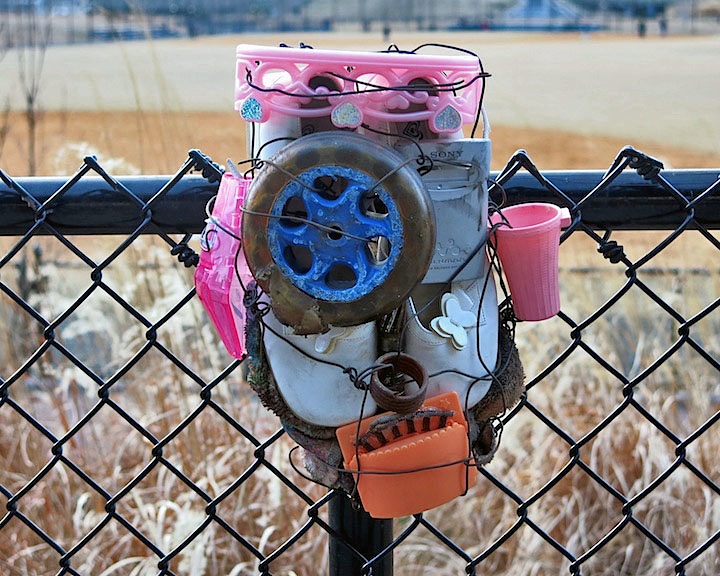
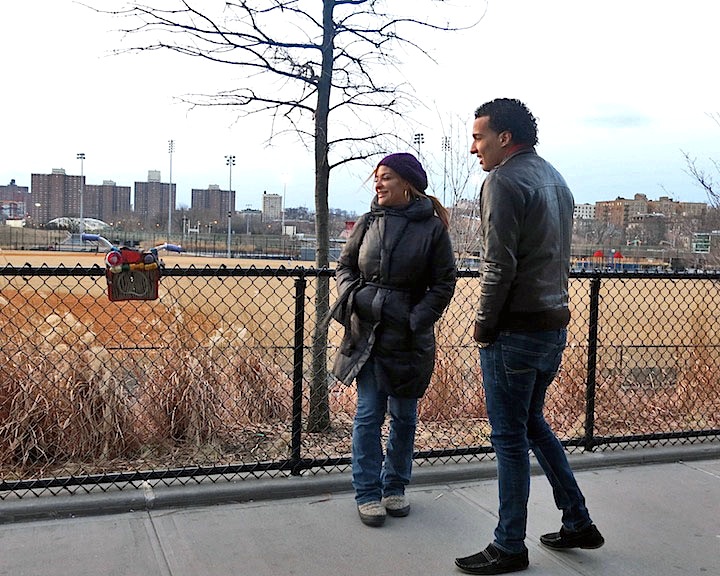
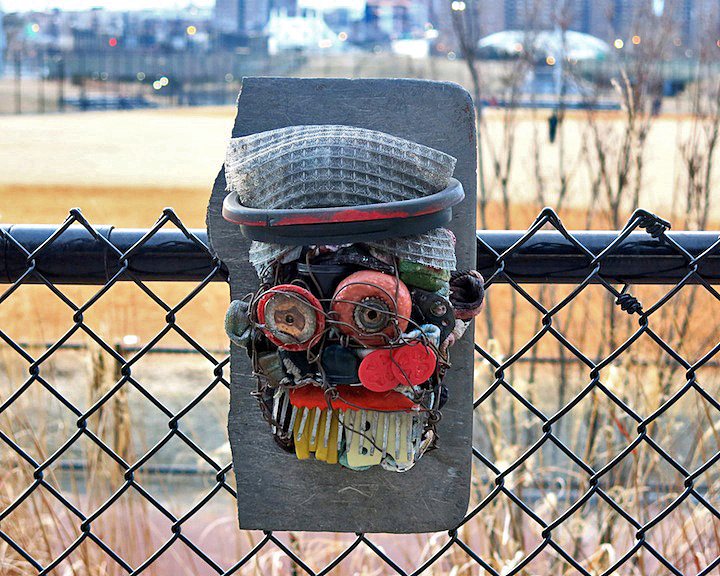
Working with discarded objects he finds on the streets, Bronx-native Michael Cuomo has been busily creating an alternate universe.  Central to his cosmos are dozens of masks that he displays in a range of public spaces, engaging curious passersby of all ages.  We joined Michael this past Sunday up near Yankee Stadium.

You do magical things with what others have discarded.  When did it all begin?

The idea of working with found objects came to me after I took a three-hour class in “drawing with wire” at Bronx Community College back in 2006. I made my first masks with wire. And as I’d always been drawn to objects that others deem useless, I began to search for these objects and gradually incorporate them into my masks.

You certainly have some strange objects integrated into these masks – from car parts to broken toys to old hats. How do you manage to get hold of such a variety?

I find most of them on the streets, and recently friends and neighbors have begun giving me “donations.”

Michael Cuomo

When recycling these materials into masks, do you work with a defined concept of the final product?

Never.  It’s an organic process. When the mask is finished, it tells me so.  I have dozens of sketchbooks and constantly draw, but I don’t consciously work from my sketches.

What engages you about recycling and working with found objects?

It reminds me that we are all one on this planet.  The objects that I find help connect me with others – their original owners and our anscestors. I also feel that by recycling I am – in some small way – helping our planet.

Why have you decided to share your masks with the public out here on the streets?

It’s the best way for me to connect with the people. My art is “for the people” and “by the people.”  When strangers see my art and engage with it, they break the monotony of their daily lives. I also like the dialog that it spurs.

Michael Cuomo mask

Where have you displayed your masks?

I’ve shared them in quite a few public spaces. On 110th Street in East Harlem…in front of the Hayden Planetarium on the Upper West Side…on the 6 train.

What about galleries?

I’ve exhibited them at NYU, Gallery 69, at the Longwood Art Gallery up here in the Bronx, and I have a show coming up later this spring in New Rochelle.

How does your family feel about what you are doing?

They like it, but I can’t say they embrace it!

Michael Cuomo

What do you see as the role of the artist in society?

I see the artist’s role as a transformative one. Art enlightens. My art is an extension of the hip-hop movement that was born here in the Bronx. It is all about empowerment and change.

What’s ahead?

My artworks will continue to evolve and — eventually — will travel the world.

Photos by Lois Stavsky

{ 1 comment }

Speaking with Joe Iurato

February 27, 2013

Joe Iurato

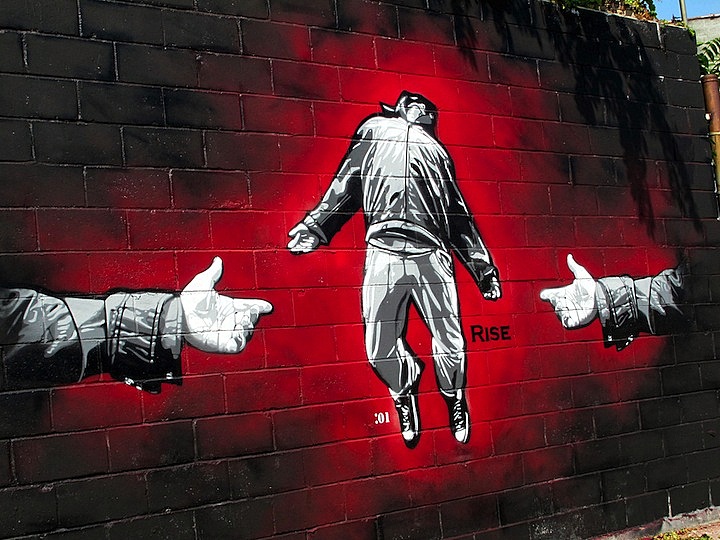
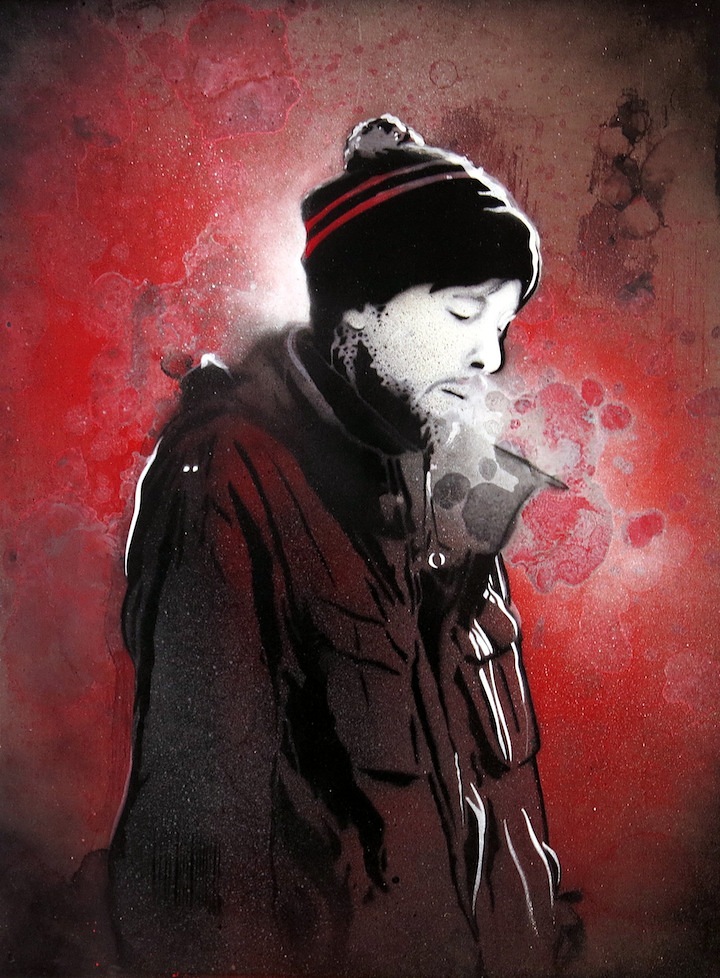
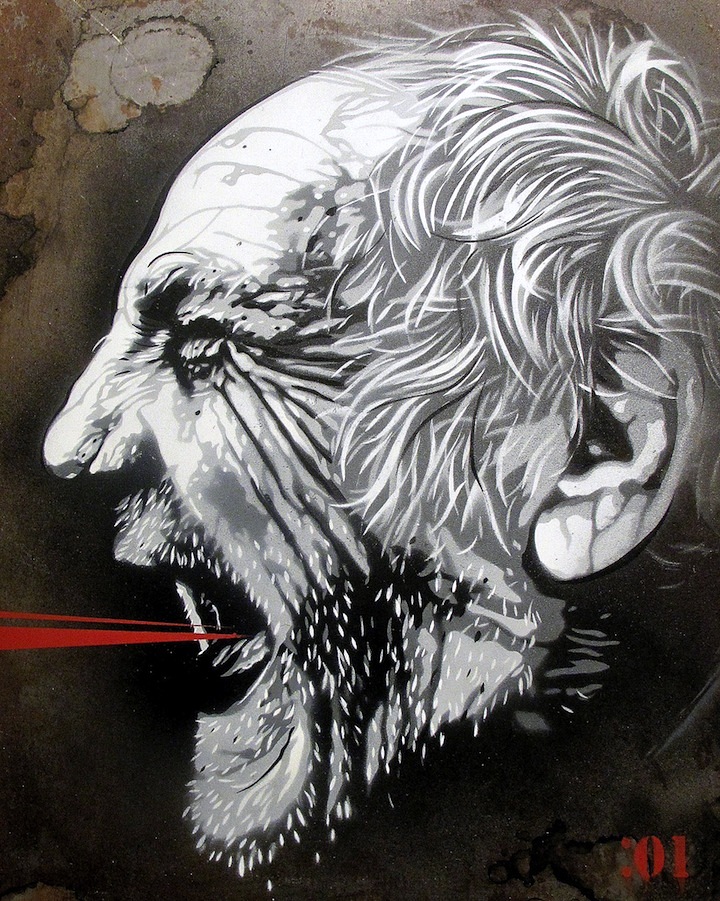
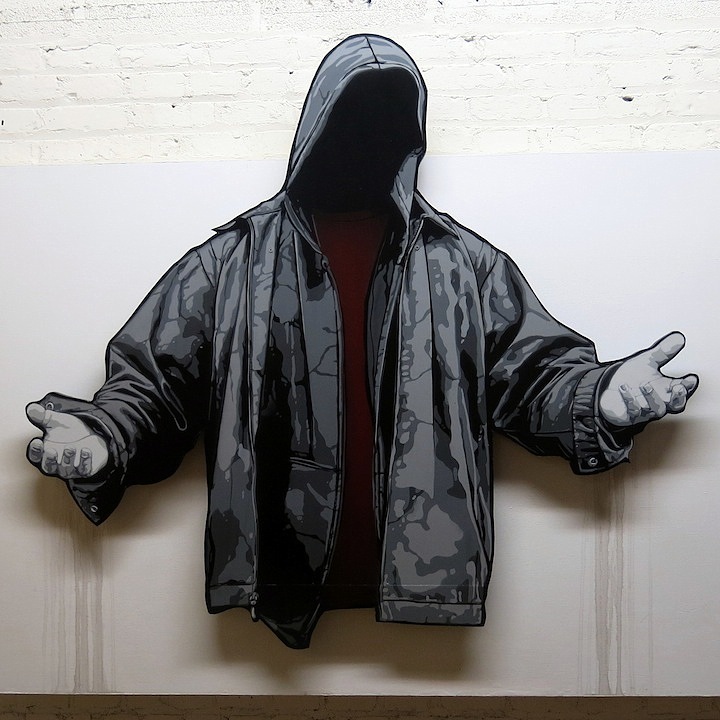
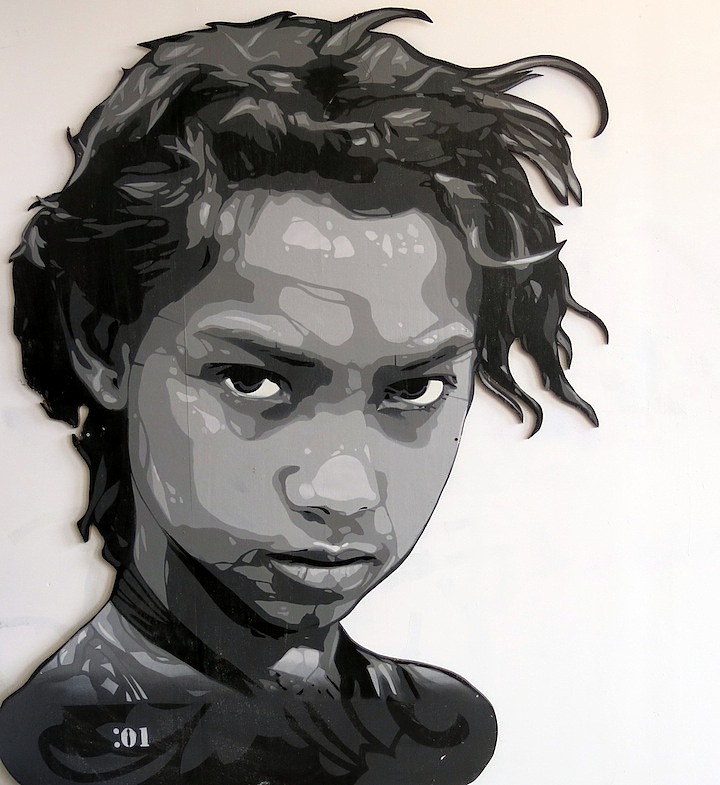
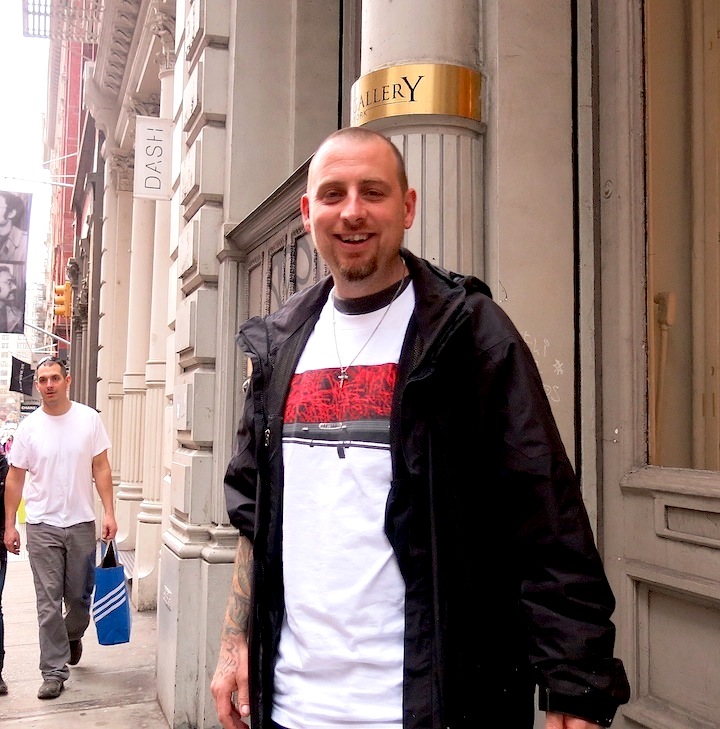
Joe Iurato‘s splendid stencil art graces the streets and galleries of New York City and beyond. We recently had the opportunity to visit Joe’s studio and find out more about him.

When and where did you start getting up?

Around 2006. I was working over in SoHo for a magazine, and I started by going out and putting up small works on my lunch breaks. I’m a bit of late bloomer when it comes to getting up in the streets, but I guess better late than never.

What inspired you?

My earliest inspirations came from graff, which heavily influenced the b-boy culture I was part of as a kid. Then, in my mid-teens, I started skateboarding and the lines began to blur among the styles of art that surrounded me. Wasn’t so much letterform as it was snakes poppin’ from the eyesockets of toxic green skulls and less refined scrawlings addressing social issues. I liked it all, and I was actively drawing and painting in all styles. I’d always secluded myself with my art, though. Never really liked to show anyone. But something was appealing about being able to share it publicly, without having to tell someone, “That’s mine. I did that.” Just leave it there, and let people take what they may from it. Eventually, the inspiration outweighed the hesitation, and I gave it a shot.
Joe Iurato

What was your most memorable “street art” experience?

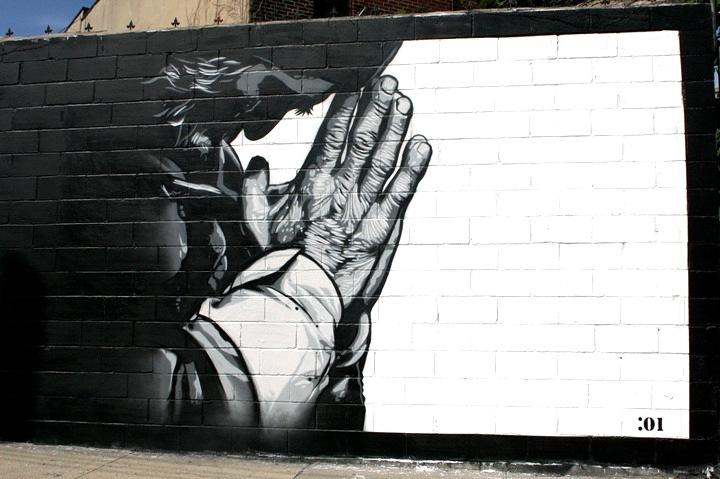
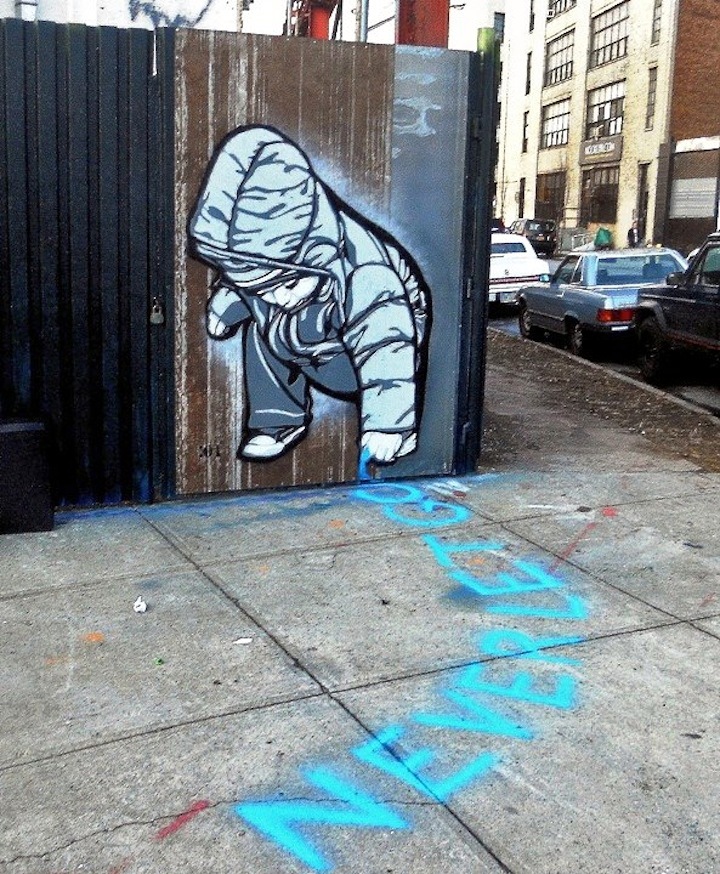
In New Brunswick, I did a large piece of a kid praying on a trestle. When I went back to paint again a few months later, a homeless man approached me, pointed to that first piece I did and said, “I don’t care what you do, but if you touch that piece, I’ll kill you.” That made me realize just how important public art is.

Have you collaborated with others?

I work mostly on my own, but I’ve done a few collaborations. Some of the most memorable being with SNOW, SUE WORKS, and Chris Stain.

Have you ever been arrested?

No, I haven’t. I think largely because the risks I’ve taken were fairly calculated. I’m a father trying to support and raise a family, and we just can’t afford fines or worse. These days, most of my work’s done on legal walls.
Joe Iurato

What is the attitude of your family?

My wife is really supportive, and my older son loves that I encourage him to paint the walls in my studio. So, for now, I’m good!

Have you exhibited your work?

Yes, I do. Currently, I’m showing a number of new pieces at Signal Gallery in London.

How do you feel about the movement of graffiti and street art into galleries?

I have no objections to it. Artists and their families deserve to eat, too.

What about festivals? Have you participated in any street art festivals or special events?

Yes. I’ve painted at Welling Court in Queens, at the Living Walls Conference in Albany, at Willoughby Windows in downtown Brooklyn, the G40 Summits in DC, Electric Windows in Beacon, NY, the Art of Basketball in Miami, and regularly at Fountain Art Fair to name a few.
Joe Iurato

Do you have any favorite surfaces?

I love weathered surfaces and texture, but it can sometimes be difficult to work with when I’m applying stencils. For what I do, the smoother, the better. Cinder block, steel, etc…

What percentage of you time is devoted to art?

I’d say 30-40%.

What is the main source of your income?

There is no one source. I sell art, but I also work in a restaurant and write a weekly wine column for a North Jersey newspaper group.

How do you feel about the graffiti street art divide?

To me, that argument doesn’t make much sense. We’re more or less doing the same thing. Maybe some of the ideology is different and the methods and materials, but we’re expressing ourselves creatively and publicly. Regardless, if you work in the streets, you have to respect your roots. It all started with the graffiti writers.
Joe Iurato

And what about the Internet? How do you feel about the role of the Internet in all of this?

Like everything else, there are pros and cons. It’s a great way to share your work and network with the community, but it can also make anyone a superstar. Some great artists can get lost in the madness of the Internet.

Do you have a formal arts education?

I studied for three years at Montclair State University, but then I quit to study wine.

Did your art education benefit you?

It helped me understand color theory and composition. I also loved art history. But I can’t say any of it directly affected my aesthetic or technique.

What inspires you these days?

I’m inspired by what I’m doing and how I’m living, which is why the subject matter and even the mood of my work is constantly changing. At the moment, I’m influenced by a place I’ve been frequenting. It’s an abandoned space near my home with a long, complex history. I’ve been relatively obsessed with documenting it for a few years, and now it’s showing in my work
Joe Iurato

How has your work evolved throughout the years?

I think I have a deeper understanding of my own stencil art. I’ve explored everything from single layer to 15 layer pieces, and its taken years to develop some sort of continuity and fluidity. I feel I’ve finally arrived at a comfortable and consistent method of cutting. That said, I’ve begun challenging myself elsewhere, experimenting with new applications in addition to the stencils.

Are there any artists who particularly inspire you?

There are so many, I’ll kick myself later for forgetting anyone. But on a personal note, the one person I’d like to mention is Logan Hicks. While I don’t have to say anything about how dope his stencil art is, he’s become a close friend and mentor through the years. His work ethic has always inspired me. The dude never rests. He never sits in a pocket just complacent with what he’s done, and it’s not a day or two after a successful opening that he’s back at the grind exploring something new. There are plenty artists out there who’ll also vouch for him being this central figure that’s brought so many of us together. That, and he’s a family man. I admire and respect him.

What do you see as the role of the artist in society?

Public art, especially, in the here and now is a powerful tool that can spark healthy conversation, debate, and even change. But I think that “art” collectively always makes more sense in the future. It helps put a time stamp on our culture, and will in some way define us when there’s little left of our fleeting existence on this planet.
Joe Iurato

What do you see yourself doing in the next five years?

Hopefully continuing along this path. Evolving my work, sharing more of it inside and out, still doing the wine thing, and being able to give my family all they need and deserve through doing what I love.

Wow! Good luck and, of course, we’re thrilled that you are doing what you are doing!

Photos by Lenny Collado, Dani Mozeson, Tara Murray and Lois Stavsky
{ 1 comment }

Born in Argentina and raised in the Bronx, veteran graffiti artist Nic 707 is once again riding the trains. Curious about the force behind the transient graff galleries that have been surfacing on NYC subways, we posed some questions to Nic.

Nic707

When did you first start getting up?

It was back in 1973.

Wow! So you were at the beginning of it all. What inspired you at the time?

My first hero at the time was Checker 170, the King of the 4 Line. And I saw what guys like Tracy 168, Rub 5 and Pnut 2 were doing.

What train lines did you hit back then?

Mostly the 4, 5, 2, the D and the old CC trains.  But I also hit the 7 and the 1 lines.

Did you work with any crews?

Lots. Among them was MGA – with Set 149, Padre, Stone High.  When I was 16, I started OTB and was its first president. Presidents that followed included Noc 167, Ban 2 and the current one, Cope 2.

Nic707

Were you ever arrested?

Let’s just say I was held against my will a couple of times. Life was more adventurous back then.

What is the riskiest thing you ever did?

Probably jumping off the trains when they were moving. I could’ve gotten killed. Some writers did. I also remember when I had to ride on the top of a train to escape some cops, surf to the next station and leap to the roof and lie there for two hours until the coast was clear.

How did your family respond to what you were doing?

They never supported me.  When I was 19, I returned from summer camp to discover that my mother had destroyed everything I had ever created.  That ended my early stint as a graffiti artist. Luckily, I found my way back to it about seven years ago.

What were you doing all those years you were away from it? And what brought you back to it?

I was doing lots of things – mostly stand-up comedy and other things that I shouldn’t have been doing. But I finally realized how much I missed my graffiti days.

Nic707

I’ve recently seen your work on walls here in the Bronx and up in Inwood.  I also saw it on exhibit at Gallery 69 in Tribeca. Have you exhibited anywhere else?

I took part in an exhibit at NYU and at a number of smaller private spaces.

How do you feel about the movement of graffiti and street art into galleries?

I applaud it. It pushes writers to continually refine their styles, and I think it’s great that they can make some money from their talents. I also like the idea of graffiti reaching folks who frequent galleries.

Why do you suppose graffiti seems to garner more respect in Europe than it does here – where it was born?

You’re never a hero in your hometown. And NYC is filled with too many haters.

Who are some of your other favorite graff artists these days?

There are many.  Meres, T-Kid 170, King Bee, Sonic, and Serve 1 are among them.

Do you have a formal art education?

No. But I attended DeWitt Clinton High School – along with dozens of other writers. It was the best art education I could get.

Nic707

Tell us something about your current project.

I came up with the concept in 2008 for “InstaFame Phantom Art.” It’s about creating moving art galleries – back on the subways where graffiti had its first and strongest impact. It’s about bringing people’s art to the people. Who really wants to read a Budweiser ad twenty times?

And how have folks reacted to it?

They love it!

And what about the “InstaFame” part?

Yeah. I want to be famous. Doesn’t everybody?

I’m not sure!  What do you see as the role of the artist in society?

To inspire others to dream and to follow their dreams.

How do you see yourself in five years?

I’d like to have my own graffiti reality television show.

Good luck! It sounds like fun! And in the meantime we’re looking forward to seeing more of your InstaFame Phantom Art galleries riding our trains.

 Photos by Lois Stavsky

{ 1 comment }

the Royal Kingbee

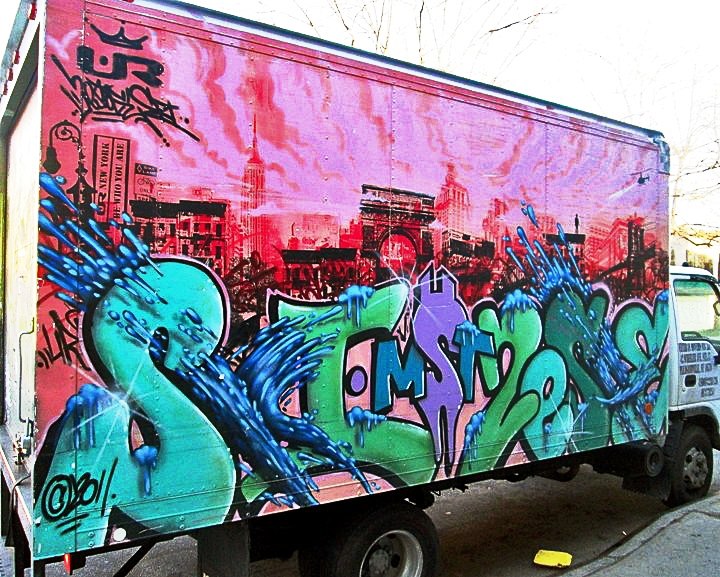
Born in Harlem and raised in the Bronx, the Royal Kingbee UW is best known for his stylishly striking bee that shapes the urban landscape of the Bronx and beyond.  Commissioned by a range of businesses from Rite Aid to Bacardi, Kingbee continues to dazzle us with his talents on an array of surfaces both on and off the streets. 

When did it all begin? When did you first discover your artistic talents?

When I was in the third grade, I began drawing cars, clouds, trees – the usual things kids draw.  And I started winning art contests for my skills. I haven’t stopped drawing since!

When did you start getting up? When did you first hit public surfaces?

I started getting up some time in the late-80’s back in my high school days. I went to school with Sak from MBT crew and Stin1.

What inspired you at the time?

What I saw on the trains and what writers like Kyle 156, JonOne, Koze and Poke were doing at the time really inspired me.

The Royal Kingbee

What is your first graffiti memory?

The first time I went bombing I was all dressed up! My parents were very strict, and I was expected to present myself at all times in – what they considered – a respectable way. And so the first time I hit the streets, I went straight from a party and was wearing a suit.  We looked awesome!

What is the riskiest thing you ever did?

Painting along the tunnels with the Amtrak trains whizzing by.  It was a risk we chose to take at the time.

Why?

We did it for the fame, but also for the adrenaline rush. I miss those adrenaline-induced days!

the Royal Kingbee

Have you ever been arrested?

I’ve never been caught. We always did our homework.

With whom have you collaborated?

Back in the 90’s, I ran with my crew: VASE One, Nev, Bomb5, Cine, Lady-Di, Jew, Kerz and Pose2.  I’ve since collaborated with a range of artists from Shiro — from Japan — to the 4Burners.  This past year VASE and I painted down in Baton Rouge, Louisiana.  I’m looking forward to traveling and exposing my art more in 2013.

What about festivals? Have you participated in any?

I’ve painted in Meeting of Styles and at the Hall of Fame.

the Royal Kingbee in Meeting of Styles

Is there anyone – in particular – with whom you would like to collaborate?

I’d love to paint with Daim – a master of 3-D graffiti — and a number of other European artists who are taking it to the next level.

How do you feel about the current graff scene in New York City?

Graffiti hasn’t evolved enough in New York City. Too many writers keep on doing the same thing over and over. They need to get out of their comfort zone and push the boundaries.

Your bee can be seen about everywhere up here in the Bronx.  Tell us about the birth of the bee.

I was working as an artist on a range of commissions – mostly signs – and I wanted a logo that would be easily recognizable.  And so the BEE was born in 1989.

the Royal Kingbee

We met you at Gallery 69 down in Tribeca where you were exhibiting your artwork. How do you feel about the movement of graffiti into galleries?

It’s cool. I’ve participated in a few shows and look forward to exhibiting my artwork in more galleries in 2013.

Any favorite artists?

Basquiat and Salvador Dali come to mind.

Do you have a formal arts education?

Yes. I studied commercial art in New York City Tech College.

Was it worthwhile?

Definitely. It helped me establish a career as a commercial artist.

The Royal Kingbee

What are some of your other interests? 

I love music. I’m a big fan of Pink Floyd, Guns-n-Roses and Depeche Mode.

What’s ahead?

More canvases. More traveling. It would be fun, too, to do art workshops with kids, who – whenever they see me paint – ask me to teach them how to draw a bee! And I’m working on developing a toy line.

Good luck! It all sounds great!

Photos by Lenny Collado, Tara Murray and Lois Stavsky
{ 2 comments }