Based in Woodside, Queens, Richard Alicea has been documenting urban culture for over four decades. We initially met over our shared passion for graffiti and recently reconnected after a ten-year hiatus. I was delighted to have the opportunity to interview Richard, who had introduced me to such graffiti pioneers as Flint and the late Mico.
When did you first hold a camera in your hand with the intent of capturing an image?
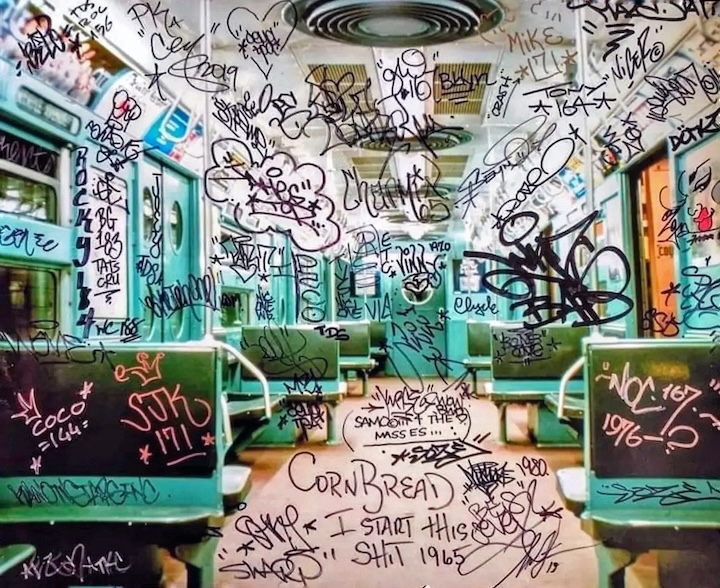
Back in 1976, my brother gave me my first camera. The first image that I remember capturing was inside the GG train in Court Square, LIC. I’ve since had multiple copies of that particular image signed by just about everyone who’s made a mark on NYC’s graffiti culture!
What kind of camera did you use back then? And what camera do you use now?
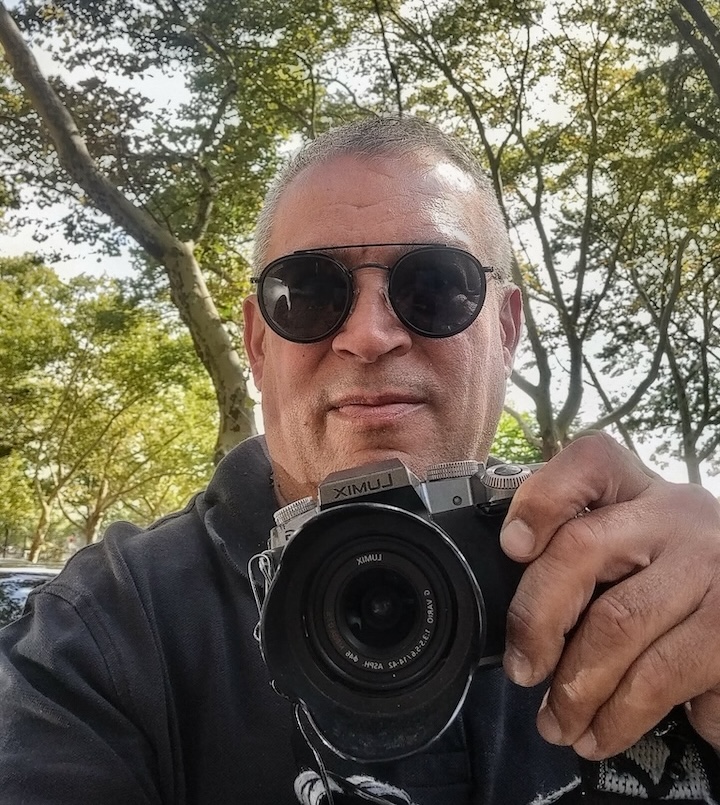
Back then I used a Fuji. These days Panasonic LUMIX is the camera of my choice.
You have since produced an impressive body of work. Is there a central theme that ties your work together?
My principal interest is the urban environment – the art on the streets, the various cultural heritage celebrations and NYC’s distinct architecture.
Have you ever formally studied photography? Or was there a close friend or relative who influenced you?
Just about everyone in my family was passionate about photography. But I did study photography back in 1981 at New York Technical College. And a particular influence was Mycal Watts. A photographer and Vietnam veteran, Mycal has invited me to photo shoots at his Woodside studio.
Is there anything about your particular heritage that impacted you as a photographer?
My family raised me to honor my Puerto Rican heritage. And I somewhat naturally began to appreciate and respect other cultures, particularly those with close family bonds.
What drew you to graffiti and urban art?
I was drawn to it the moment I saw it. Its appeal to me was instant! Living in Woodside, I didn’t see much in my immediate neighborhood. But it began to surface in the 70s in nearby neighborhoods and along the 7 line. And I was especially impacted by the books that were published in the 80s.
How has your photography evolved in the last decade?
I have more patience than I used to have. With camera in hand, I will wait until I can get the best capture possible in a particular setting. And though I continue to focus on the art that surfaces on the streets, I’ve begun to focus more on the city’s overall culture, particularly parades.
What are some of the challenges you’ve faced while trying to capture a particular moment?
People can be suspicious of me! They’re not quite sure what I’m after!
How long do you generally spend on the editing process?
After each photo session, I’ll spend anywhere between one to two hours editing.
How important is the viewer’s response to you?
I’d like people to like what I do. But I understand why some folks may not.
How has your family responded to your passion for photography?
They love it. They particularly like watching me interact with other people whom they don’t know.
Are there any places outside NYC that you haven’t photographed but would like to?
I’d like to make my way to Wynwood, Miami.
Have you ever tried to market your photography?
No. I’ve just been following my passion.
How do you decide which photos to share on social media?
I edit the photos I like, and then it’s kind of random which ones I choose to share.
Do you have any favorite photographers?
My favorites include street photographer Ira Berger, hip-hop culture documentarian Ernie Paniccioli and Mycal Watts.
Do any particular memories stand out?
9/11. I vividly remember watching the first tower fall from where I was standing in Whitestone and taking photos that evening from the Brooklyn Promenade. I actually raced home before nightfall, concerned that the city might issue an executive order restricting driving.
Having documented New York City for decades, what are some of the biggest changes you’ve witnessed in the city?
Massive high-risers are reshaping neighborhoods like Long Island City, while mega-chains continuously replace traditional mom-and-pop stores.
How can folks view your photos?
They can follow me on Instagram and on Facebook.
What’s ahead?
I’d love to be able to predict the future, but I can’t!
Interview conducted and edited by Lois Stavsky
All photos © Richard Alicea
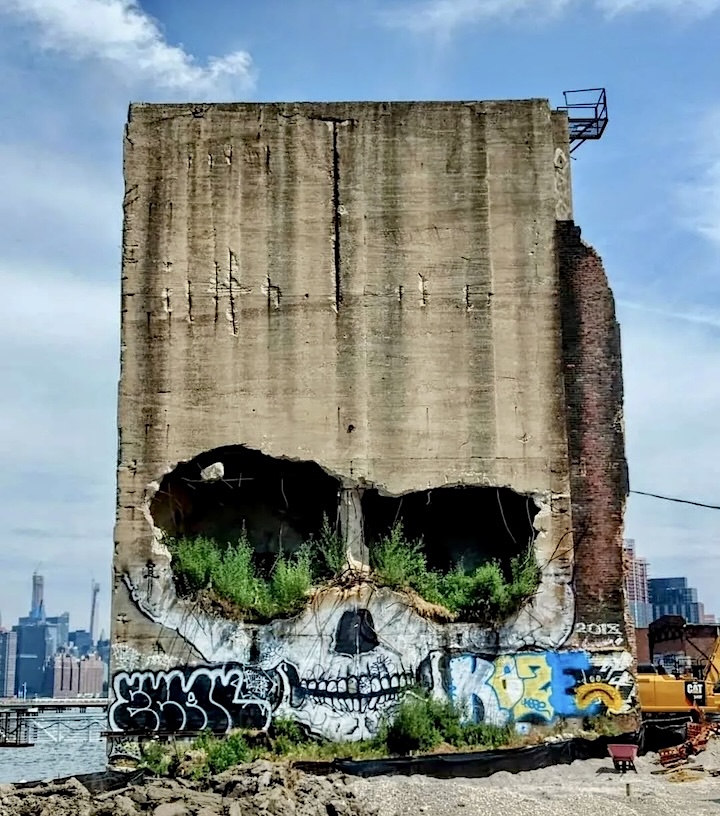
- Suitswon, Greenpoint, Brooklyn, 2017
- GG train, Court Square, Long Island City, 1976, signatures on this particular copy of photo completed 2019
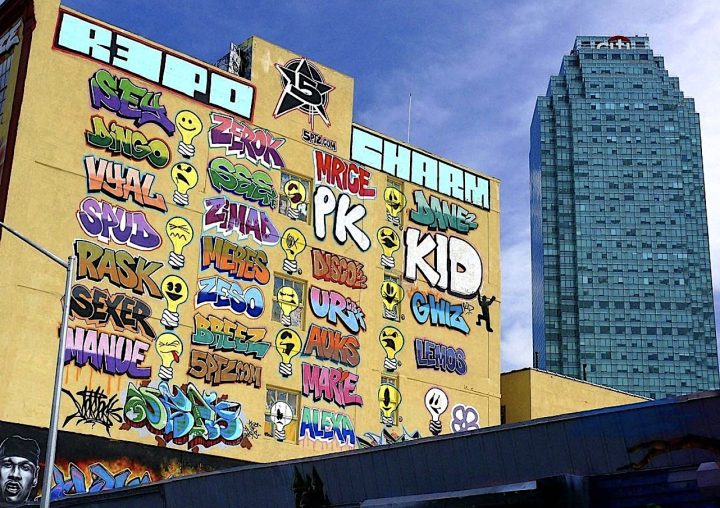
- 5Pointz, Long Island City, circa 2011
- Crash One at The Point CDC in the Bronx, 2018
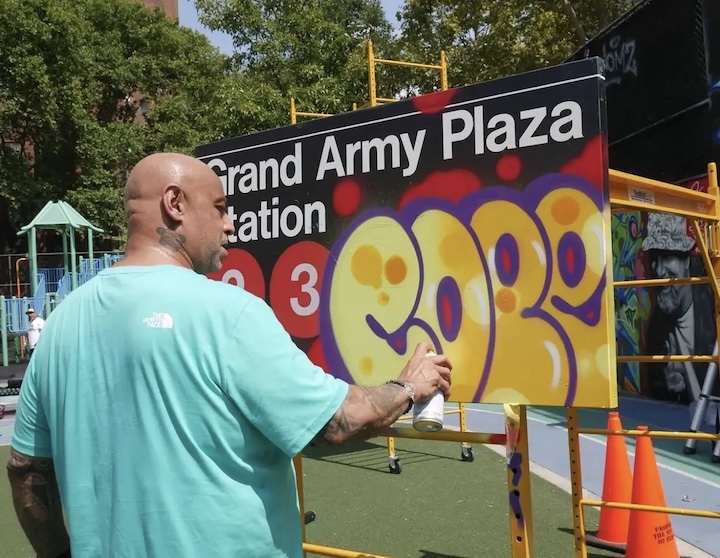
- Cope2 at the Graffiti Hall of Fame, East Harlem, 2024
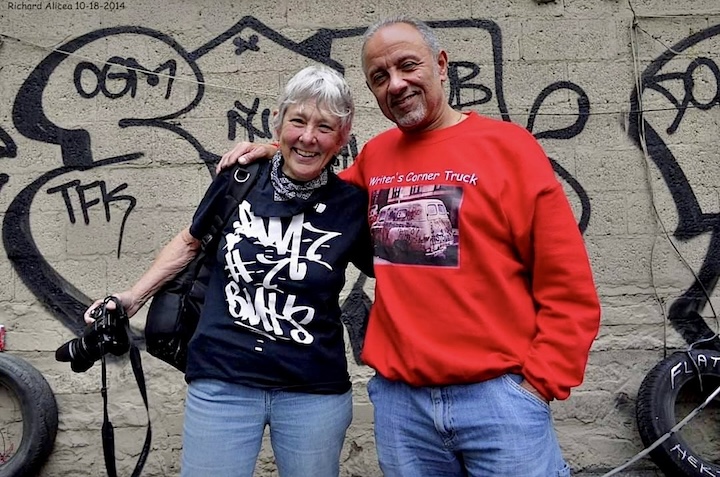
- Martha Cooper and Eddie Rodriguez aka Snake 1, Chinatown, NYC 2014
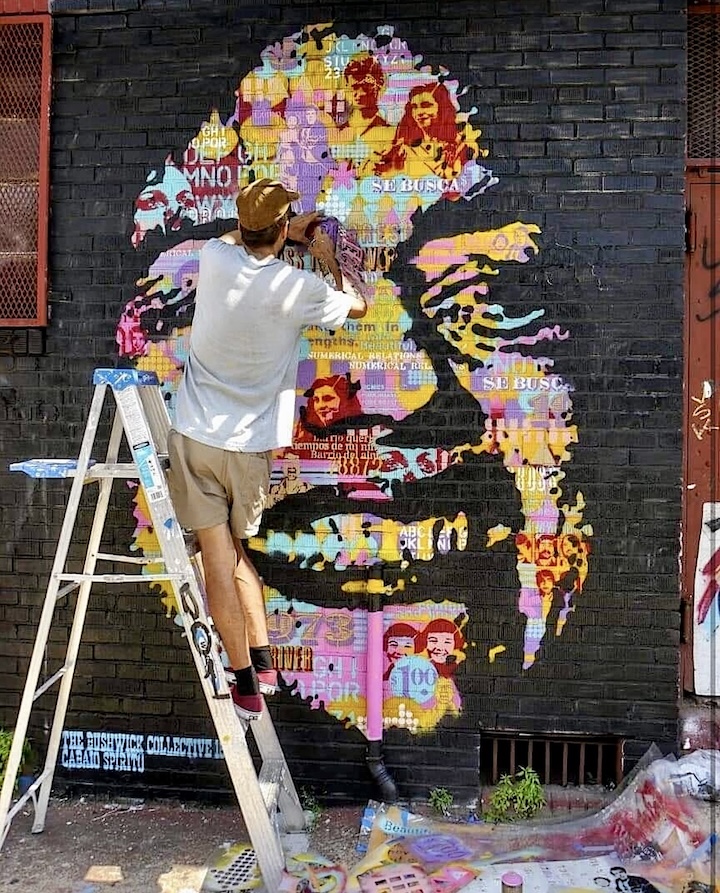
- Argentine stencil artist Cabaio Spirito at the Bushwick Collective, 2018
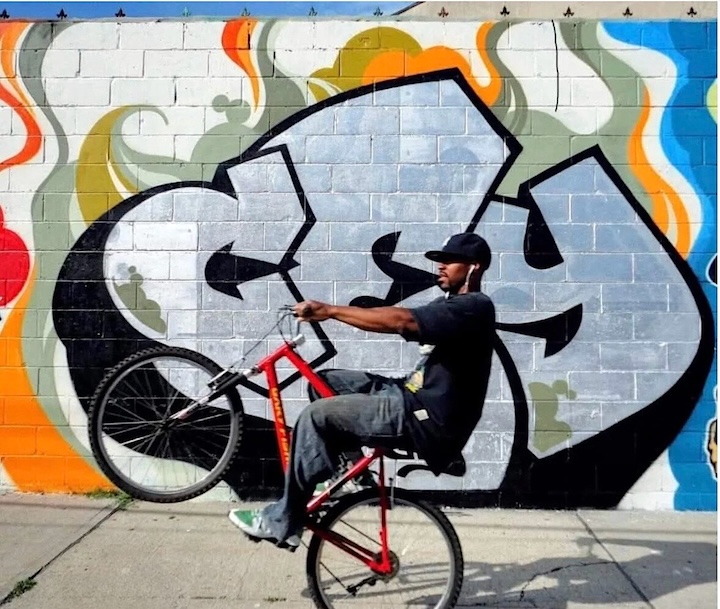
- Cey Adams at Welling Court, 2014
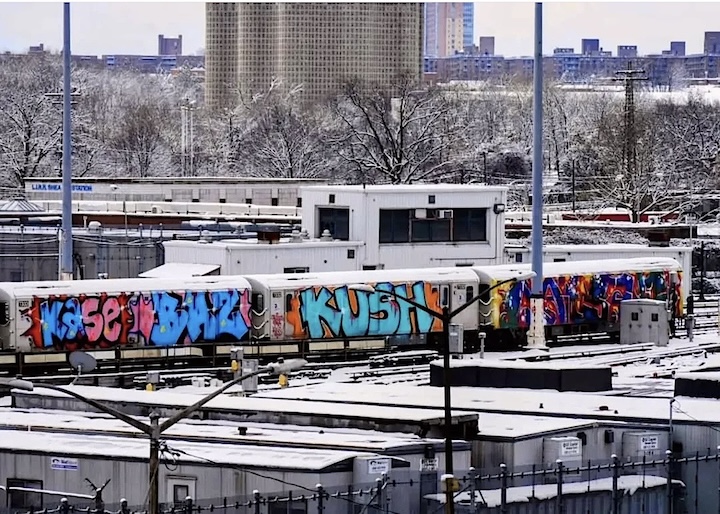
- The MTA Corona Yard,
- Richard Alicea, Selfie

Warning: count(): Parameter must be an array or an object that implements Countable in /srv/users/serverpilot/apps/streetartnyc/public/wp-content/themes/thesis_189/lib/classes/comments.php on line 43
{ 0 comments… add one now }