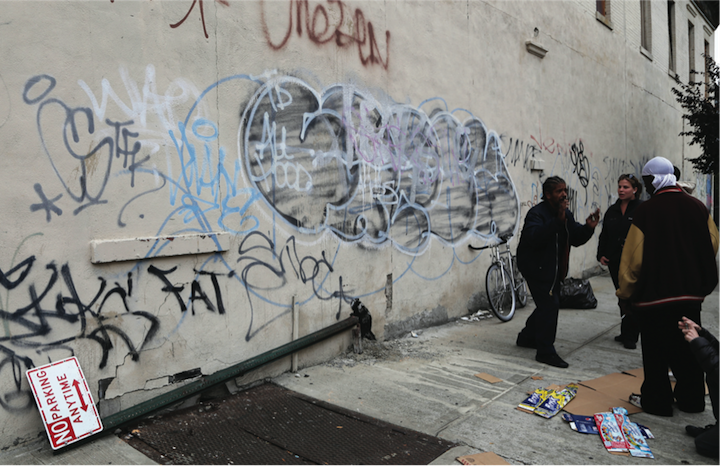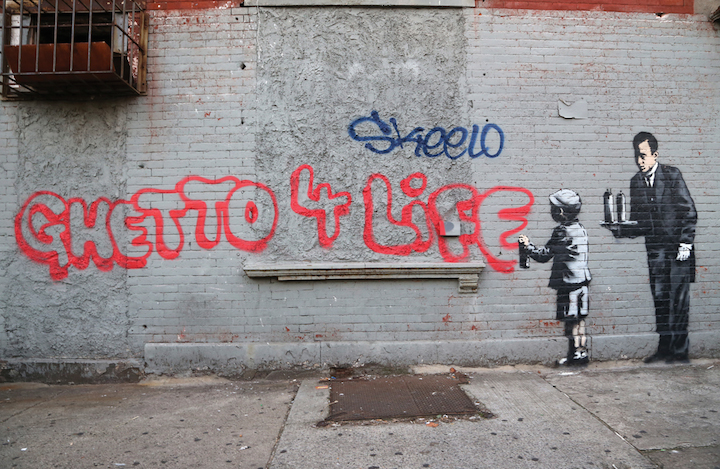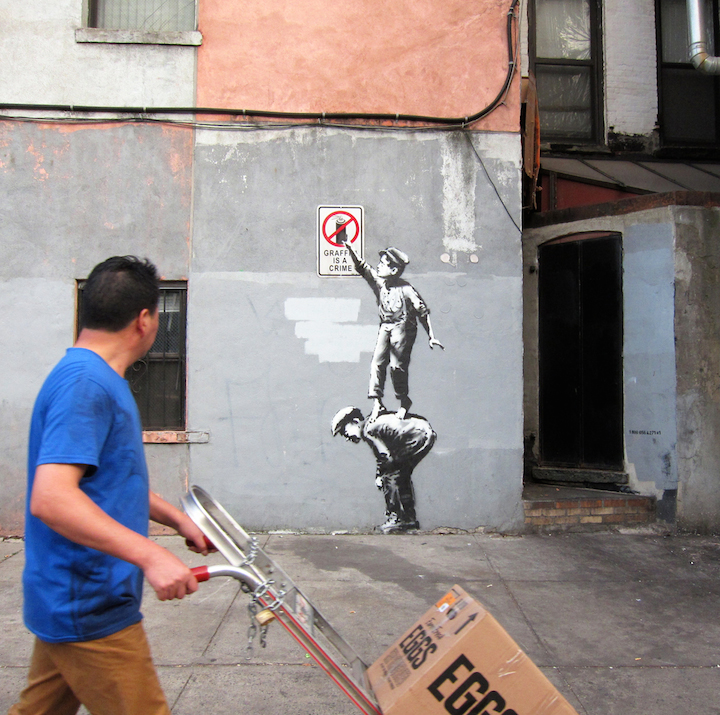
While numerous documentaries focus on graffiti artists themselves, few spotlight the photographers who track down their work and share it with the public. There’s No Reward is the exception. Filmed by Queens-based subculture observer Ray Parada, There’s No Reward takes us into the minds and lives of those photographers and documentarians who preserve this ever-ephemeral culture. Although they do not take the extraordinary risks many of the writers do, those featured in There’s No Reward share their frenzied fervor, often bordering on obsessiveness. They, too, trespass into abandoned and soon-to-be-demolished spaces as they feed their addiction.
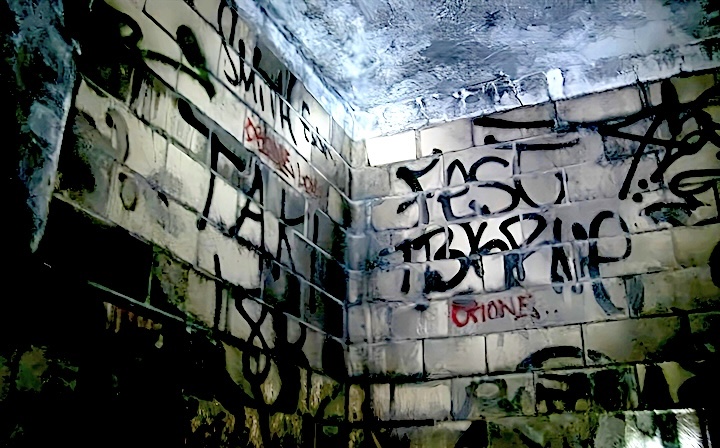
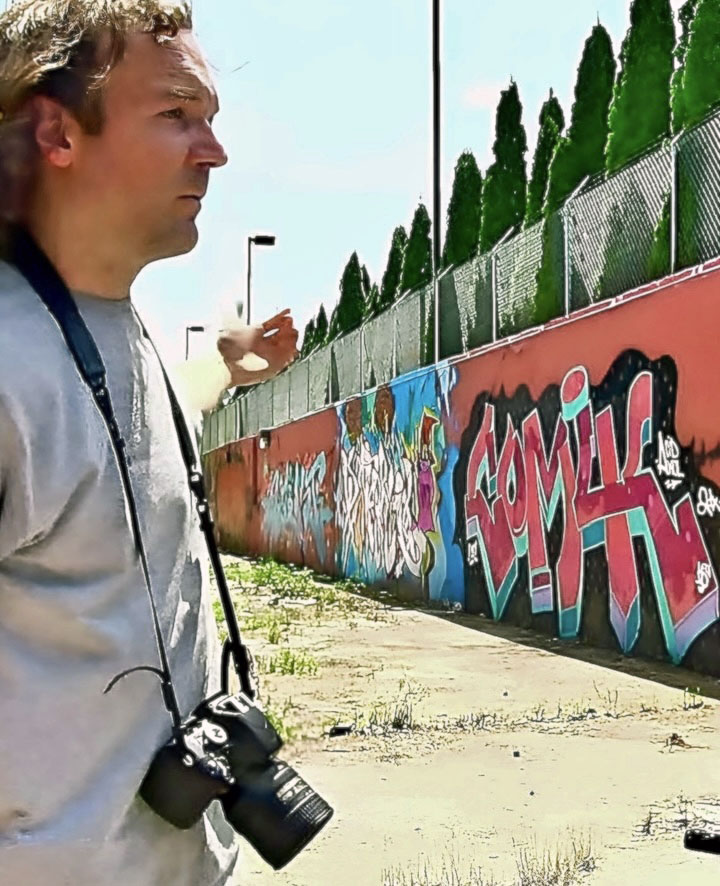
While each photographer’s particular approach may differ, all share an acute curiosity about graffiti, particularly unsanctioned public art. To Fresh Paint NYC — featured above — it’s largely a matter of tracking down and learning the history of graffiti, as well as documenting its continual evolution. To others, such as Luna Park, it’s a joyous adventure — a “walking meditation” that has taken her into neighborhoods and sites that she most likely would never have discovered if not for her love of graffiti.
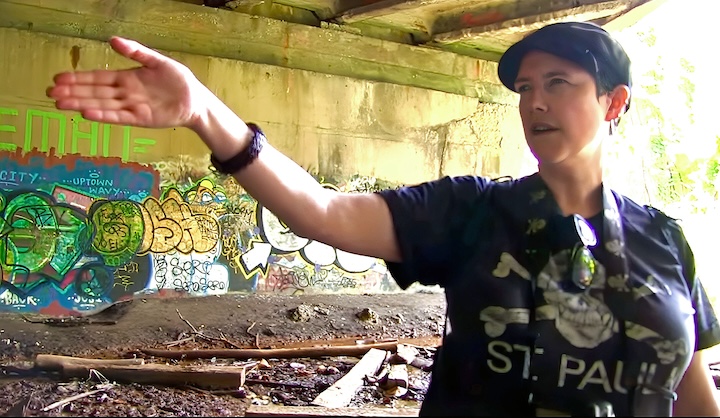
As Carnage observes, “Once you learn about graffiti and start seeing graff in your environment, you can’t unsee it. You’re always going to be curious about it, and you are always going to want to see more.”
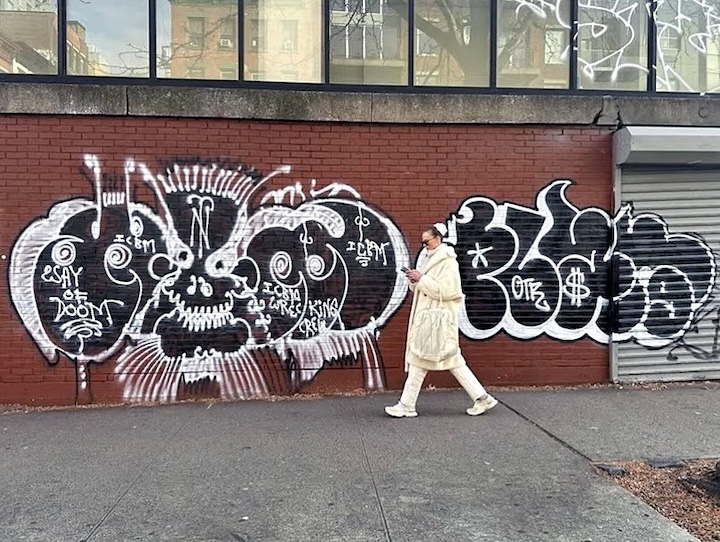
After viewing the documentary, I had the opportunity to pose several questions to Ray.
What spurred you to produce a documentary that focuses on graffiti photographers and documentarians?
I had been into graffiti ever since discovering it in the ’80s. But in 2015, I met Steve aka Smkjr who introduced me to a scene I hadn’t known about — a secret world where graff hunters get up at 6 a.m. to hunt down anything new that may have surfaced since their last mission. Discovering a new piece by the likes of Curve, Klops, or Kuma was an instant high.
“There’s no reward,” explained Steve, “other than the adrenaline of exploring a spot and discovering an artist you admire.”
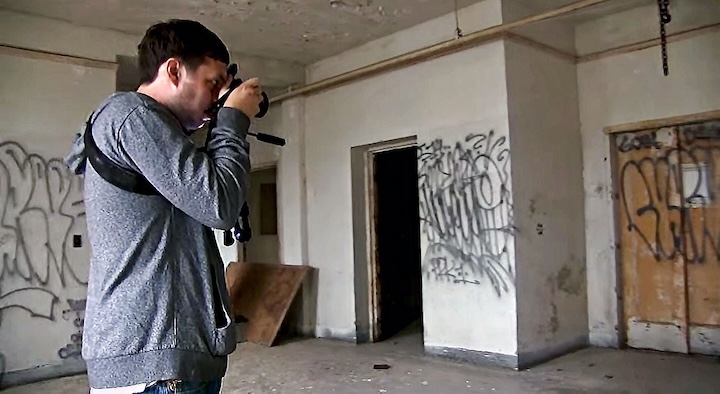
How were you able to connect with these photographers?
I actually worked with both Smkjr and Intospaces in the same workspace. I met others through them and through word of mouth.
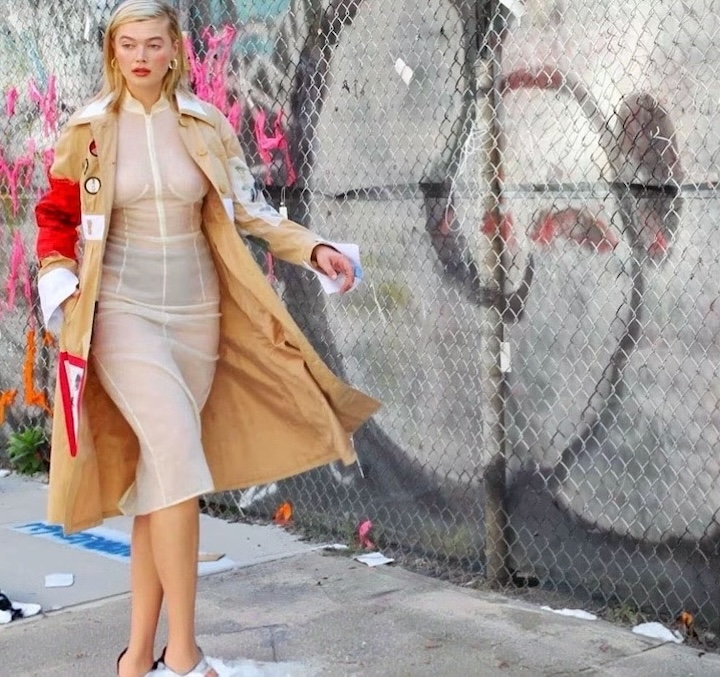
The documentary covers a 10-year span. What were some of the challenges you experienced in shooting it?
When I first started, I was working with a handheld camcorder. I didn’t feel secure, and I felt the final product could be stronger. In addition, I lost a disc that held dozens of valuable photos and interviews. That was incredibly discouraging. But then COVID hit, and things picked up. The technology had improved significantly, and I regained the confidence I had lost.
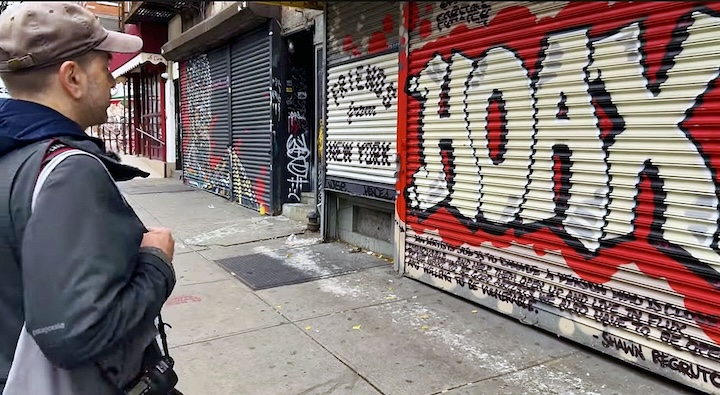
How has the scene changed from when you first started shooting There’s No Reward?
Rappel graffiti has had a huge impact on the scene. Some of the artists who were active a decade ago are no longer around. Some of the places the photographers frequented no longer exist. Some of the photographers — due to family responsibilities — are not as active as they had been. And several of the photographers now use drones.
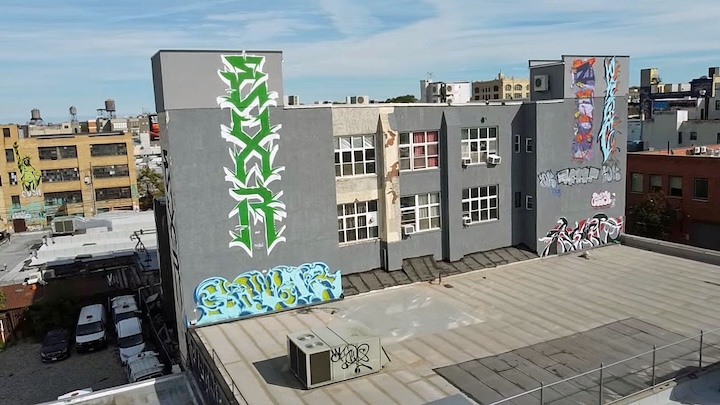
Note: You can view the documentary in its entirety here.
Interview conducted and edited by Lois Stavsky
Screenshots
- Fresh Paint NYC
- Smith and Taki 183 & more as uncovered by Fresh Paint NYC
- Wombat ICBM + captured by Carnage
- Luna Park
- Smkjr captures Curve and more in abandoned property
- Captured by Graff Season NYC
- Carnage
- Exr and more rappel graffiti captured by Intospaces
{ 0 comments }