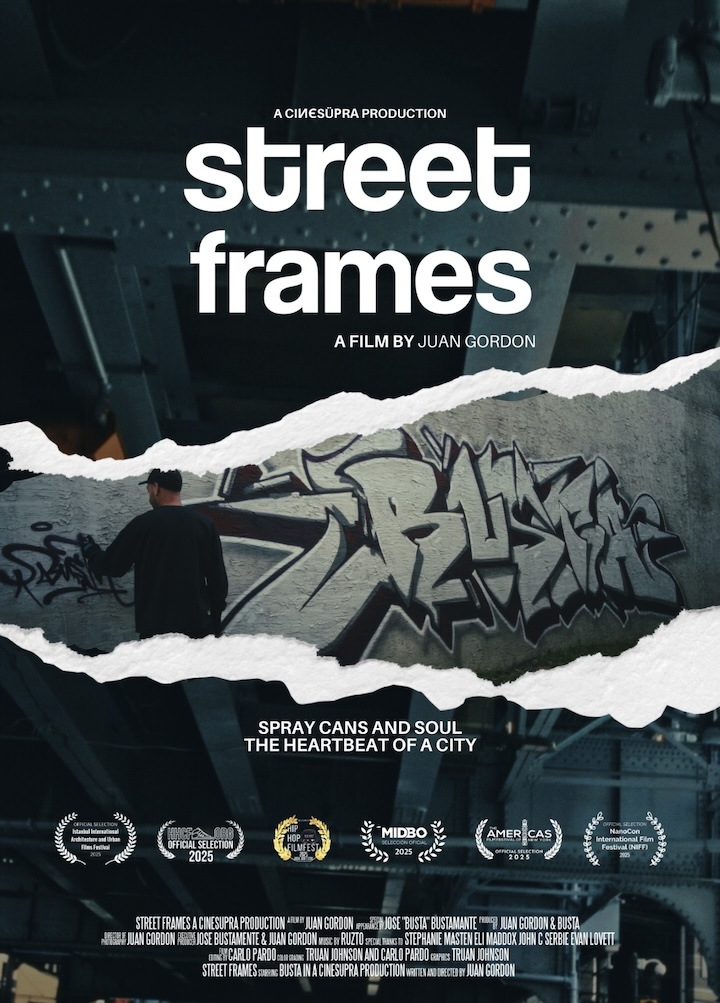
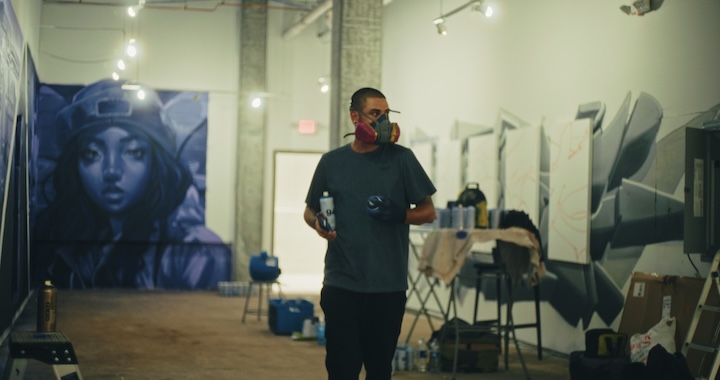
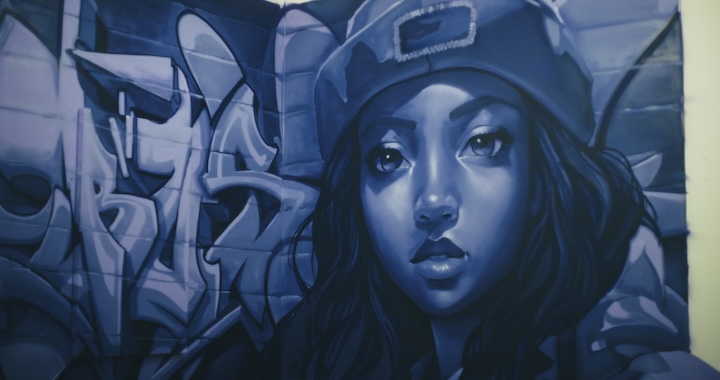
In his latest short film, Street Frames, Colombian filmmaker Juan Gordon pays homage to graffiti, Hip-Hop culture, and Philly-based, Colombia-born multimedia artist José “Busta” Bustamante. The result is a film that is both intriguing and informative, as it draws viewers into Busta’s world — its dualities, its challenges and its rewards. After viewing it, I posed a few questions to Juan:
What inspired you to produce a film spotlighting Jose Bustamante, known to us as Busta? What drew you specifically to Busta?
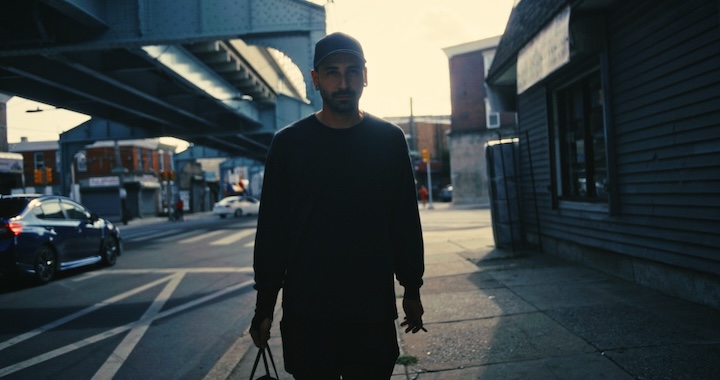
I’ve known Busta for over 15 years. We met in the streets of Bogotá through skateboarding, and I’ve witnessed his artistic evolution firsthand. In 2024, he invited me to his first solo show in downtown Philadelphia. I accepted, but with a distinct intention: I wanted to document his process, his dualities, his conflicts, and his relationship with the community. While his aerosol work is visually stunning and continues to evolve, it’s his philosophical foundation that truly fascinates me. I’m grateful he opened up in such a raw way to achieve this result.
What were some of the challenges you faced in seeing the project through?
Logistically, there were very few. We filmed in August with perfect weather, and thanks to a great network of collaborators, I had access to everything from secure locations in Kensington to secret spots across Pennsylvania and Jersey. The real challenge was internal: how to capture the profound soul of my subject—the artist, his art, and the complex emotions in between—while maintaining a deep sense of respect for the Hip Hop culture that defines him.
What would you like viewers to take away from this film? Are there any particular messages you hope to convey?
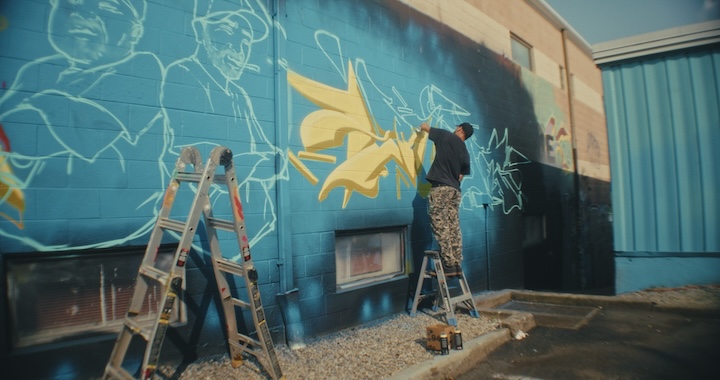
The urgency to create must never die; we must remain in constant motion. Personal and communal conflicts are what keep the world turning—without darkness, there is no light. I want viewers to take these and other questions they can perceive, take them home and reach their own conclusions, applying that creative spark to any aspect of their lives. Movement is life.
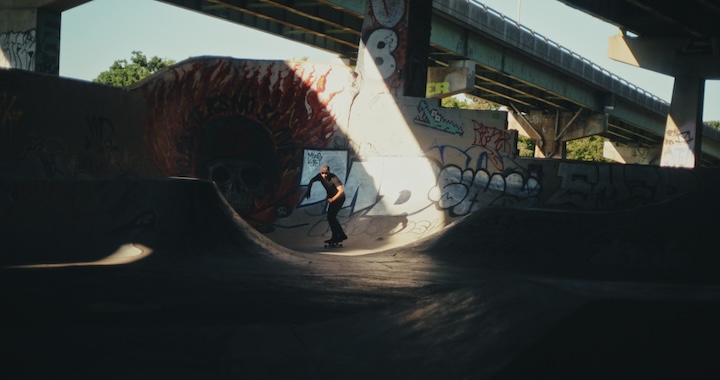
How does the graffiti scene in Philly and Trenton differ from the one in your Bogota hometown?
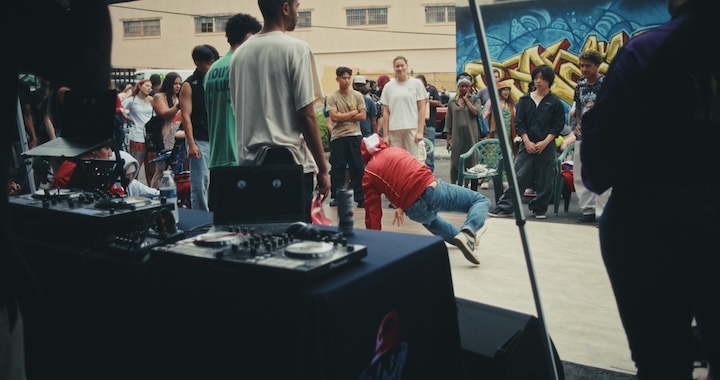
In general terms, they are very similar. You’ll find tags and pieces in the most hidden corners, whether they are “under the radar” works or governmentcommissioned murals. Bogotá, however, is a graffiti city par excellence due to its deep respect for the culture’s constant advancement. The main difference is structural: Bogotá currently has no subway system. Construction began recently, with the opening set for 2028. I’m eager to see how the culture will react to this new architecture—new canvases for paint, music, and film. Evolution is dual: it builds and destroys. simultaneously.
What kind of responses have you received to the film so far?
It has been incredibly positive. Throughout 2025, the film toured festivals, ranging from those focused strictly on Hip Hop cinema to general film festivals where audiences knew nothing about graffiti but were drawn to the story itself. Premiering at the Hip Hop Film Fest in NYC was a major milestone, as was seeing it reach Turkey, Italy, Mexico, Colombia and more. The feedback has been warm and noble; people really connect with the human element behind the art.
What’s next?
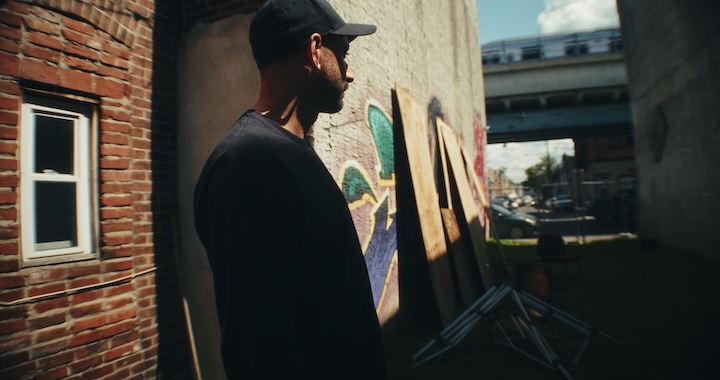
I am currently developing a narrative feature film set in a near-future Bogotá. The focus shifts from the walls to the internal movement of the city, exploring human dignity and the weight we carry through life. And yes, it still features a character who can’t help but leave his name on the walls.
How can folks view Street Frames?
After its successful run through the international film festival circuit, it is now available for public viewing on YouTube. You can also see a teaser for it here.
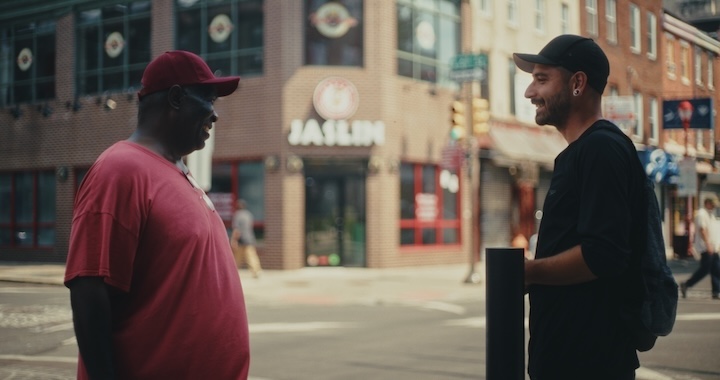
Note: All photos are stills from Street Frames, courtesy of Juan Gordon; interview questions by Lois Stavsky and Tara Murray
{ 0 comments }