hip-hop culture

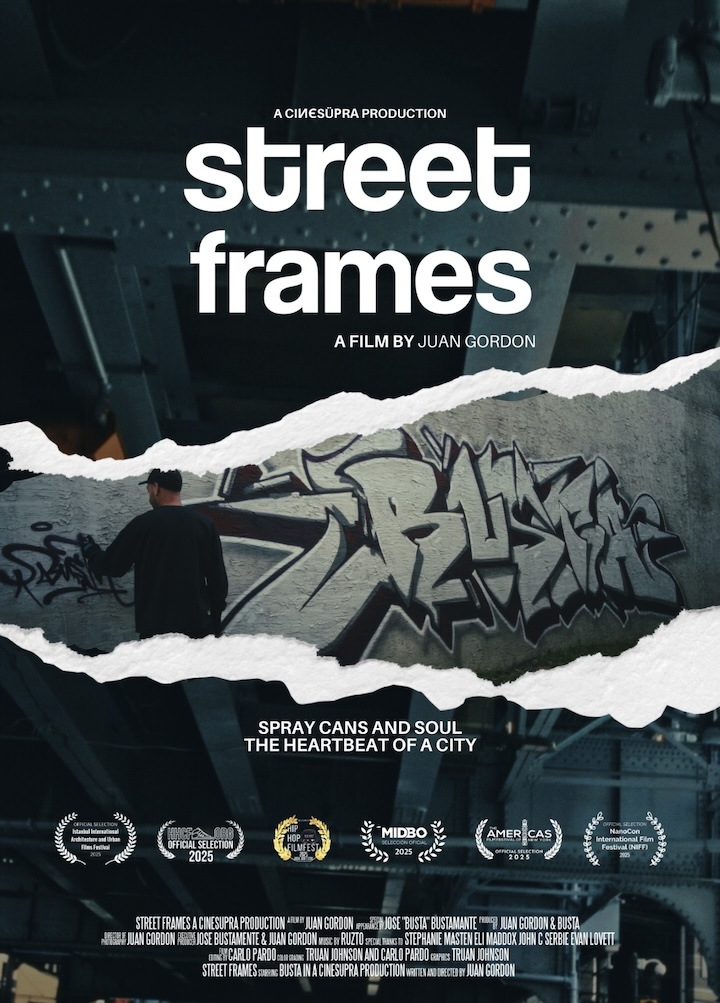
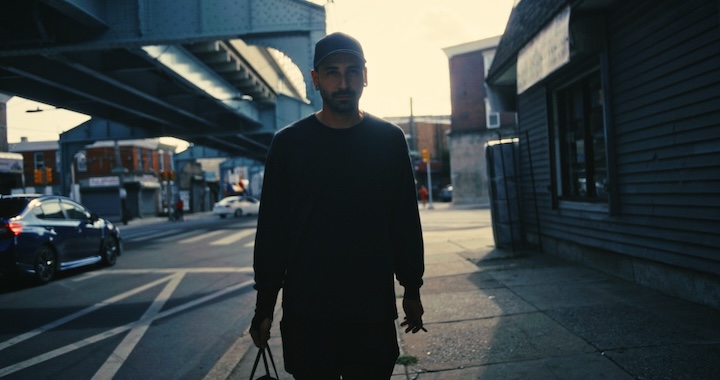
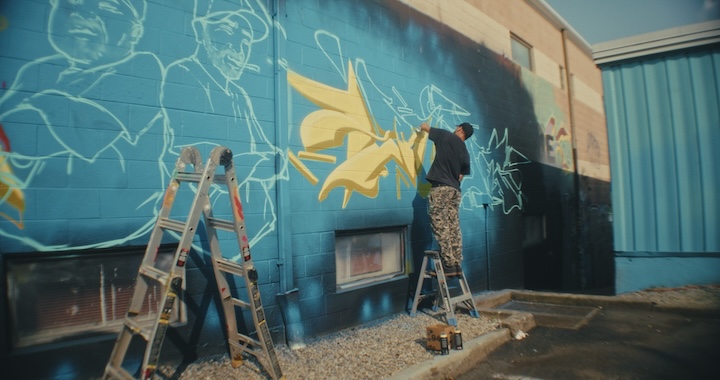
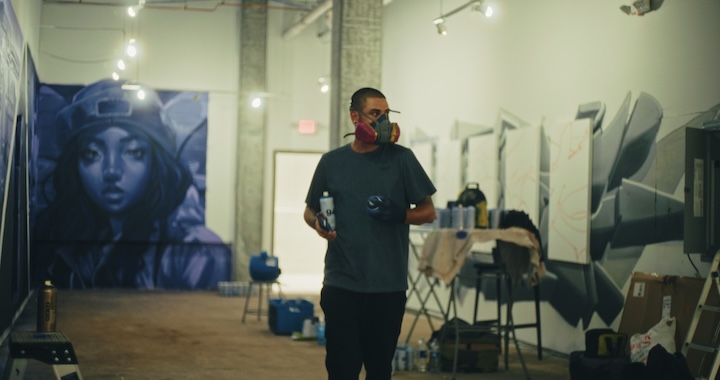
In his latest short film, Street Frames, Colombian filmmaker Juan Gordon pays homage to graffiti, Hip-Hop culture, and Philly-based, Colombia-born multimedia artist José “Busta” Bustamante. The result is a film that is both intriguing and informative, as it draws viewers into Busta’s world — its dualities, its challenges and its rewards. After viewing it, I posed a few questions to Juan:

What inspired you to produce a film spotlighting Jose Bustamante, known to us as Busta? What drew you specifically to Busta?

I’ve known Busta for over 15 years. We met in the streets of Bogotá through skateboarding, and I’ve witnessed his artistic evolution firsthand. In 2024, he invited me to his first solo show in downtown Philadelphia. I accepted, but with a distinct intention: I wanted to document his process, his dualities, his conflicts, and his relationship with the community. While his aerosol work is visually stunning and continues to evolve, it’s his philosophical foundation that truly fascinates me. I’m grateful he opened up in such a raw way to achieve this result.
What were some of the challenges you faced in seeing the project through?

Logistically, there were very few. We filmed in August with perfect weather, and thanks to a great network of collaborators, I had access to everything from secure locations in Kensington to secret spots across Pennsylvania and Jersey. The real challenge was internal: how to capture the profound soul of my subject—the artist, his art, and the complex emotions in between—while maintaining a deep sense of respect for the Hip Hop culture that defines him.
What would you like viewers to take away from this film? Are there any particular messages you hope to convey?

The urgency to create must never die; we must remain in constant motion. Personal and communal conflicts are what keep the world turning—without darkness, there is no light. I want viewers to take these and other questions they can perceive, take them home and reach their own conclusions, applying that creative spark to any aspect of their lives. Movement is life.
How does the graffiti scene in Philly and Trenton differ from the one in your Bogota hometown?

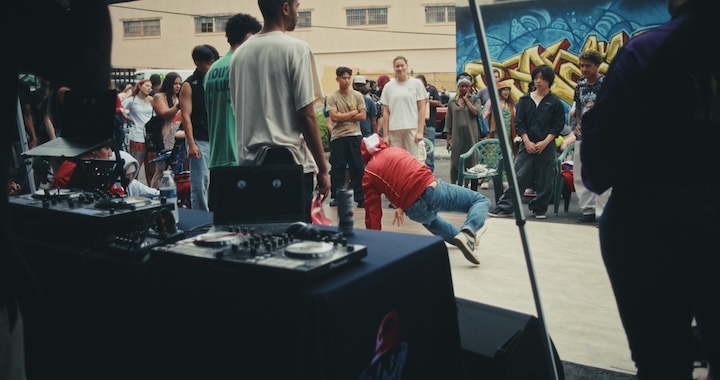
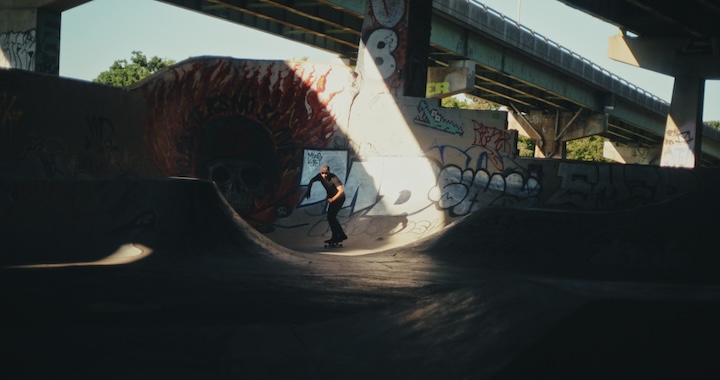
In general terms, they are very similar. You’ll find tags and pieces in the most hidden corners, whether they are “under the radar” works or governmentcommissioned murals. Bogotá, however, is a graffiti city par excellence due to its deep respect for the culture’s constant advancement. The main difference is structural: Bogotá currently has no subway system. Construction began recently, with the opening set for 2028. I’m eager to see how the culture will react to this new architecture—new canvases for paint, music, and film. Evolution is dual: it builds and destroys. simultaneously.
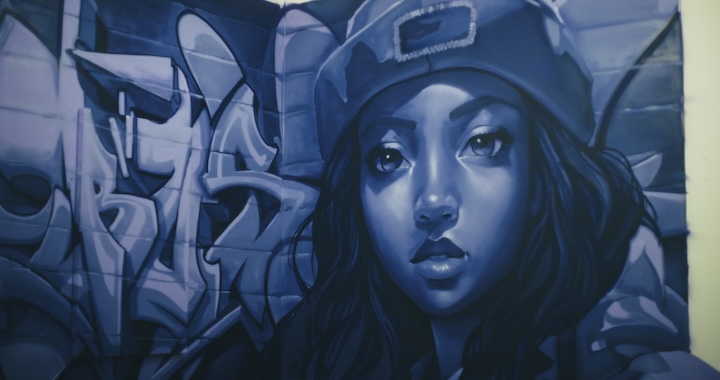
What kind of responses have you received to the film so far?

It has been incredibly positive. Throughout 2025, the film toured festivals, ranging from those focused strictly on Hip Hop cinema to general film festivals where audiences knew nothing about graffiti but were drawn to the story itself. Premiering at the Hip Hop Film Fest in NYC was a major milestone, as was seeing it reach Turkey, Italy, Mexico, Colombia and more. The feedback has been warm and noble; people really connect with the human element behind the art.
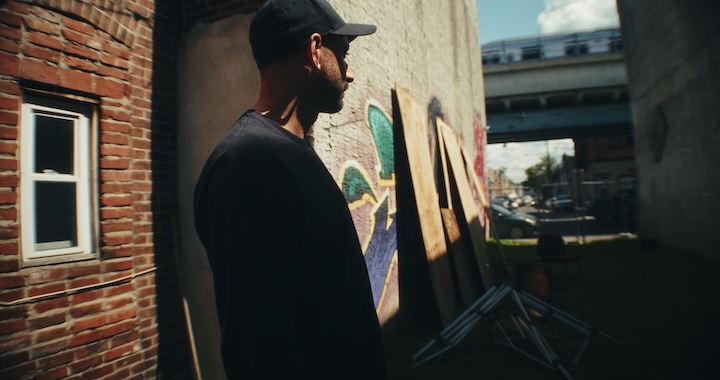
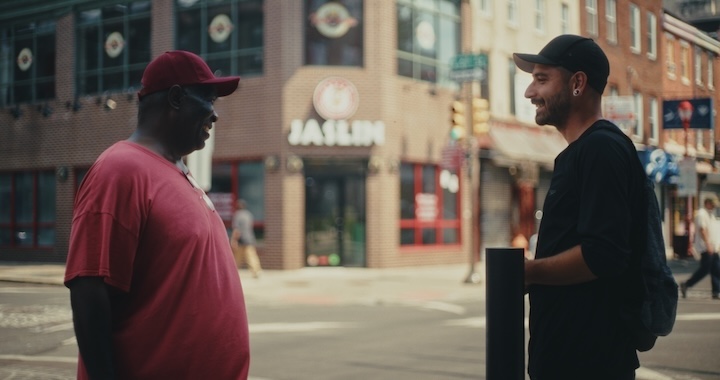
What’s next?

I am currently developing a narrative feature film set in a near-future Bogotá. The focus shifts from the walls to the internal movement of the city, exploring human dignity and the weight we carry through life. And yes, it still features a character who can’t help but leave his name on the walls.

How can folks view Street Frames?

After its successful run through the international film festival circuit, it is now available for public viewing on YouTube. You can also see a teaser for it here.

Note: All photos are stills from Street Frames, courtesy of Juan Gordon; interview questions by Lois Stavsky and Tara Murray

{ 0 comments }
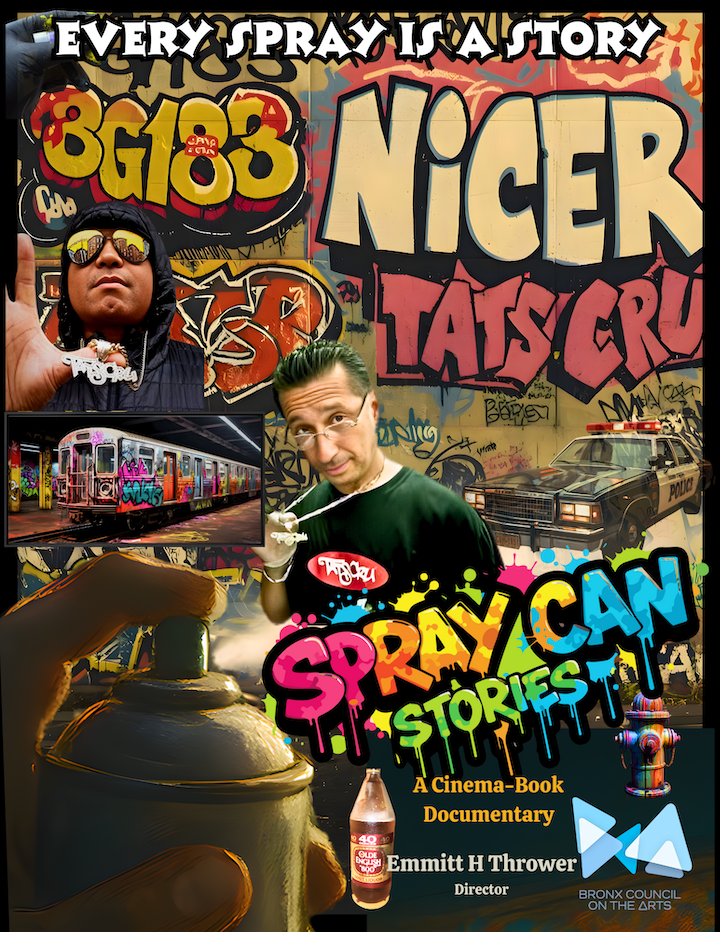
Directed by award-winning filmmaker Emmitt H Thrower, Spray Can Stories features not only in-depth personal interviews with legendary Tats Cru members BG 183 and Nicer, but also provides a fascinating glimpse into the entire hip-hop culture that emerged in the Bronx. After viewing the film, I had the opportunity to pose several questions to Emmitt:

What inspired you to produce a film focused on graffiti, particularly Bronx graffiti culture?

Growing up in Brooklyn in the early ’80s, I wasn’t all that aware of graffiti. I always liked to draw, and a few of us began writing our names with chalk in public spaces, but it never went any further. Years later, when I moved to the Bronx, I became intrigued by graffiti—its raw beauty, its democratic spirit, its impact. It was everywhere around me, and I was eager to explore its history and learn more about it. Once I did, I wanted to share what I discovered with others.

Who is your intended audience? The film is such a powerful educational resource—students around the globe are certain to love it.

My intended audience is broad. It includes anyone engaged in hip-hop culture, as well as those interested in learning how an illicit art form born in impoverished neighborhoods became a global phenomenon. As BG 183 and Nicer relate, they went from asking local stores for wall space to earning thousands of dollars creating ads for worldwide corporations.

What would you like your viewers to walk away with?

A deeper understanding how this original American art form began, along with an appreciation for the young people who started the culture.

How did you decide when and where to incorporate AI?

I was drawn to the visual impact of AI and the way it could be incorporated into the documentary as an added element to enhance the narrative. I also appreciated how AI allowed me to revisit the past and capture the sense of community that hip-hop culture fostered. My son was especially helpful in this particular aspect of the film’s development.

What were some of the challenges you faced in producing this film?

I kept asking myself how to create an immersive story that would authentically capture this rich culture and engage audiences. Another major challenge was overcoming the suspicion of the graffiti artists I had initially approached.

How did you support the production?

It was made possible with regrant funds from the New York City Department of Cultural Affairs administered by the Bronx Council on the Arts. I supplemented these funds with some of my own.

Although Spray Can Stories has already been nominated for and won several awards, it hasn’t yet debuted in New York City. How can folks see your film?

The film will make its debut this SUNDAY, Jan 11th, at 4 pm at La Nacional– 239 W 14th street, Manhattan followed by a Q and A with me and with special guests Cose TDS and Riff 170.  Additional showings will take place: TUESDAY Jan 13th 5 pm La Nacional – 239 W 14th Street, Manhattan;  SATURDAY Jan 17th 7:30 pm – Andrew Freedman Home – 1125 Grand Concourse, Bronx, and SUNDAY Jan 18th 7 pm – Sankofa House – 2422 Third Ave Bronx. You can check out the official trailer here.


Interview conducted and edited by Lois Stavsky with Tara Murray

{ 0 comments }

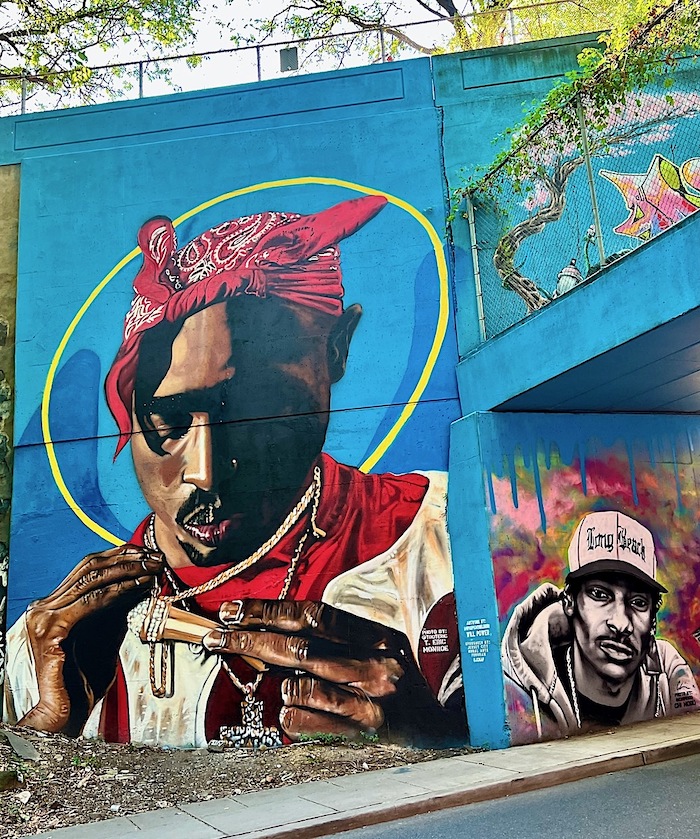
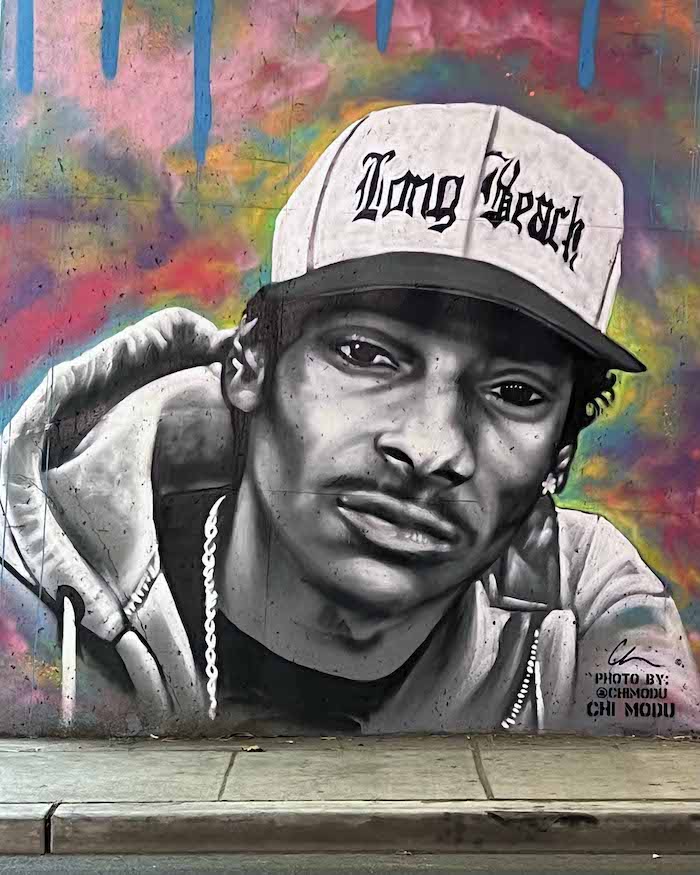
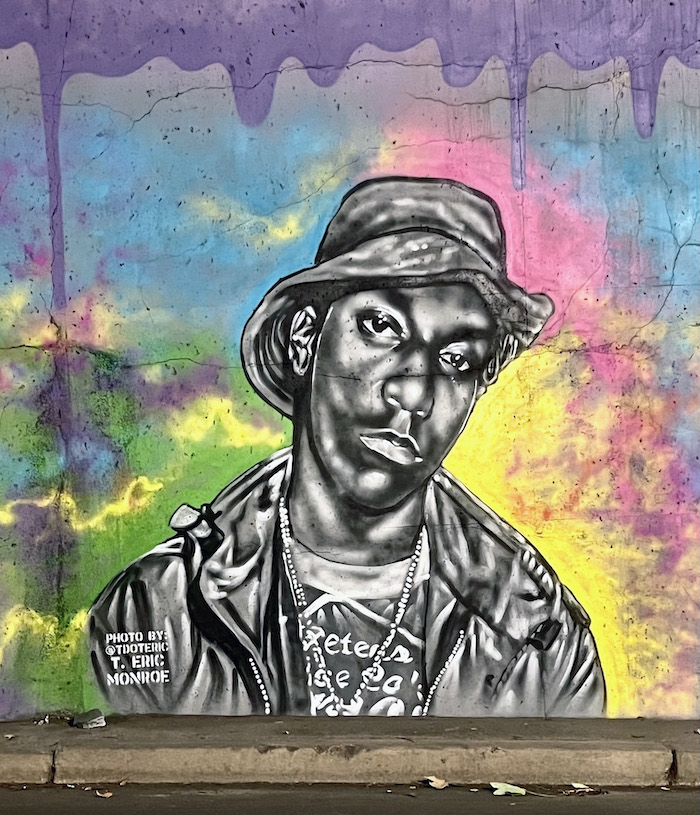
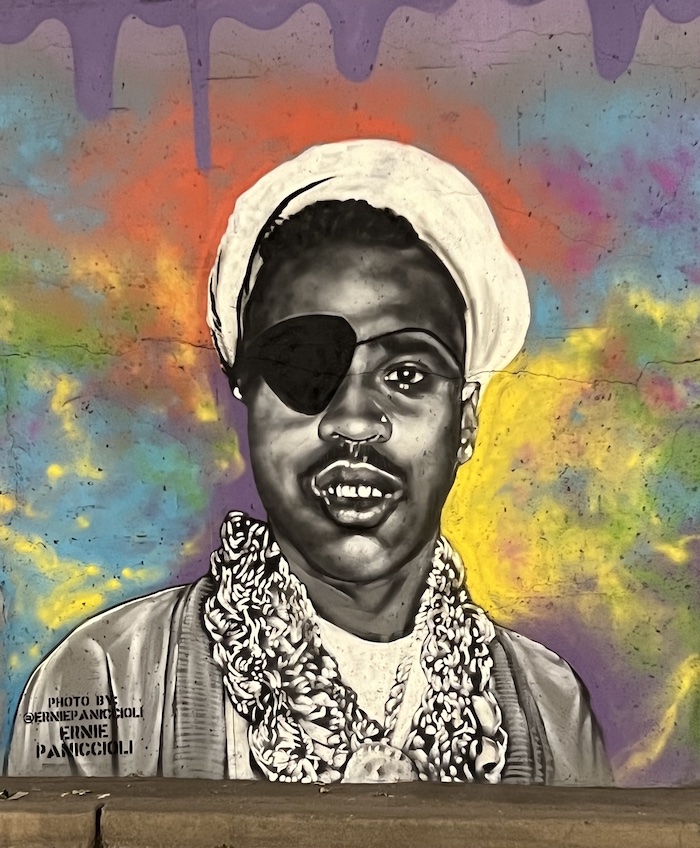
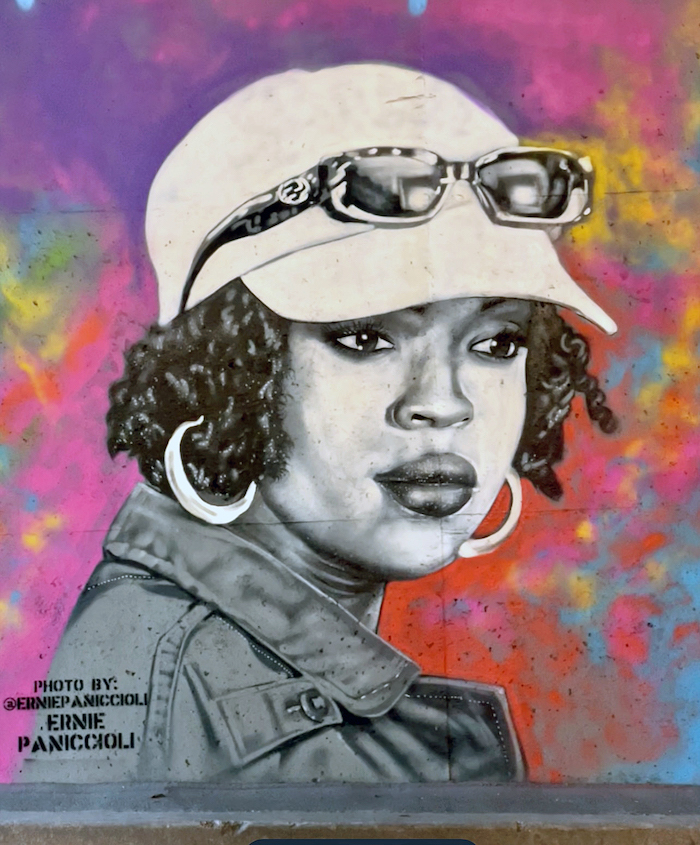
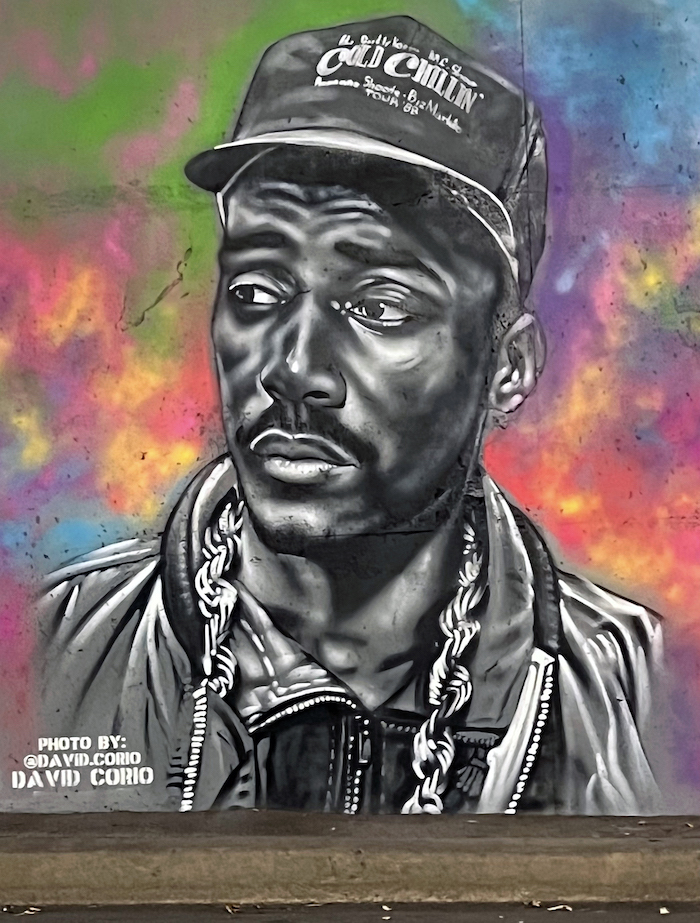
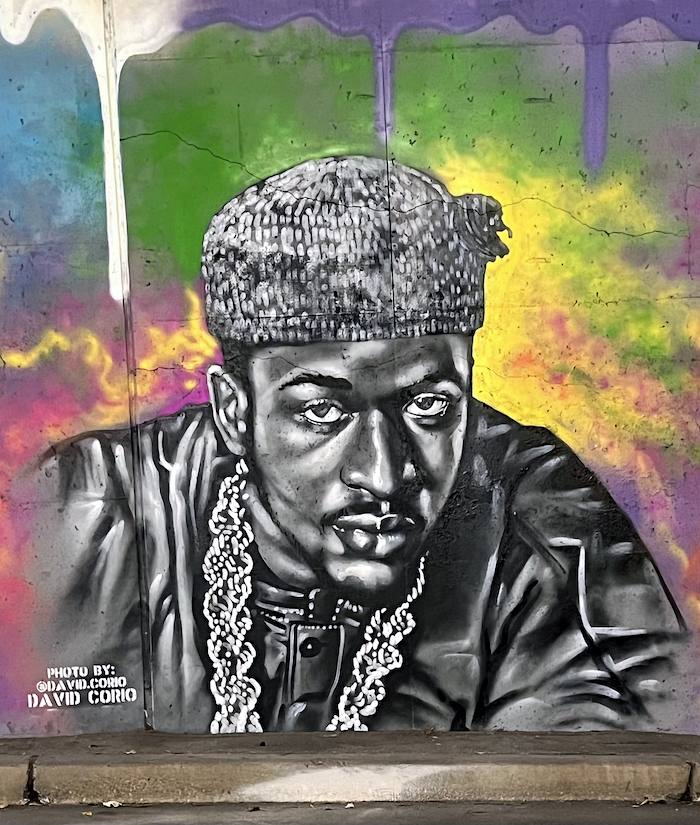
For several weeks beginning in late May, Will Power brought his massive love of hip-hop and splendid skills to the 150-foot tunnel along New York and Ravine Avenues in Jersey Heights. Working in collaboration with noted hip-hop documentarians Ernie Paniccioli, T. Eric Monroe and David Corio, Will painted a momentous mural paying homage to 45 hip-hop icons and to the photographers who so brilliantly documented them.

Captured above at the entry to the Hip-Hop Tunnel is the late legendary Tupac Shakur — based on a photo by T. Eric Monroe. Several close-ups from inside the tunnel follow:

Snoop Dogg, closer up; original photo, the late Chi Modu 

The late Big L; original photo: T. Eric Monroe

Slick Rick; original photo, Ernie Paniccioli

Lauryn Hill; original photo, Ernie Paniccioli

Big Daddy Kane; original photo, David Corio

Rakimoriginal photo, David Corio

Sponsored by the Jersey City Mural Arts Program, the hugely impressive mural — seen by thousands daily as they travel in and out of Jersey Heights — is a spectacular tribute to hip-hop culture.

Photos by Lois Stavsky


{ 0 comments }